Home » Light Towers Mantainance
LIGHT TOWERS
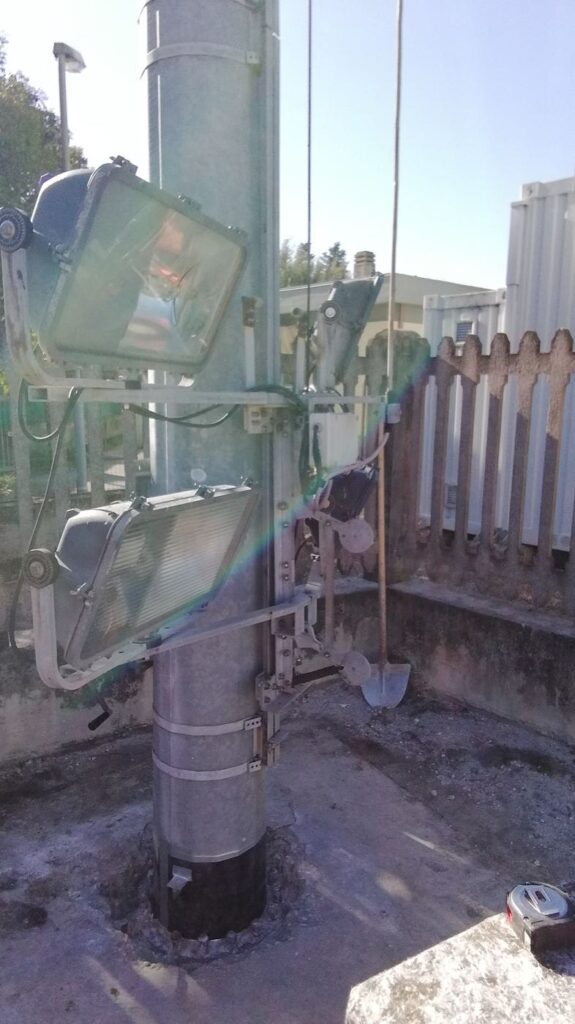
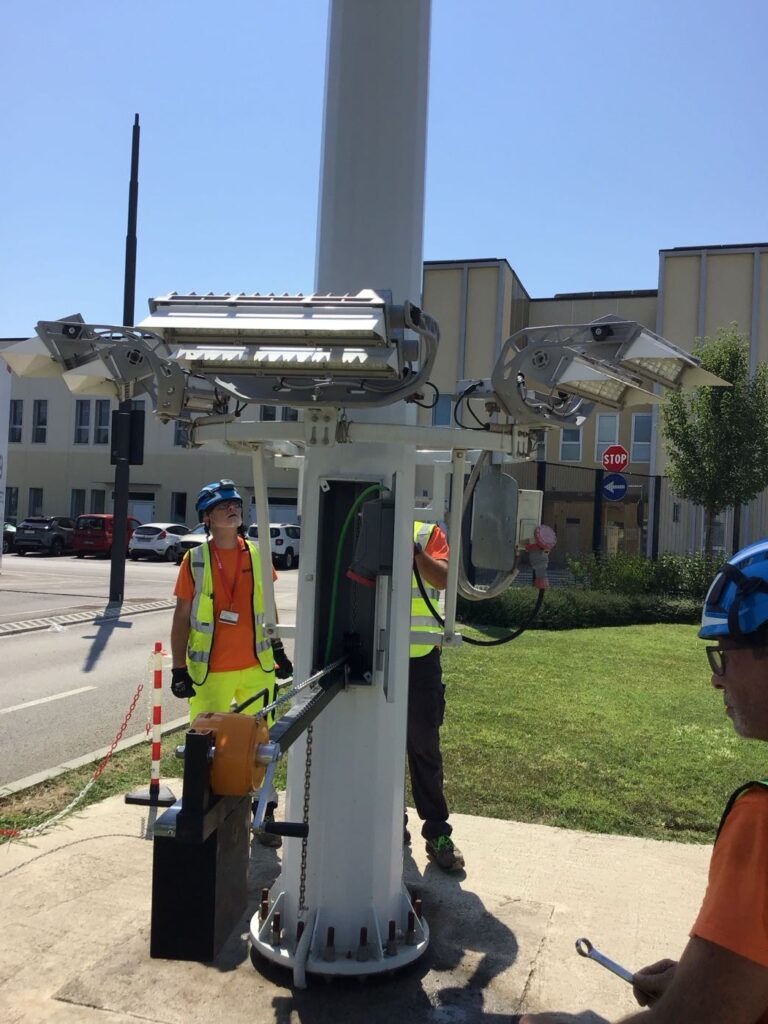
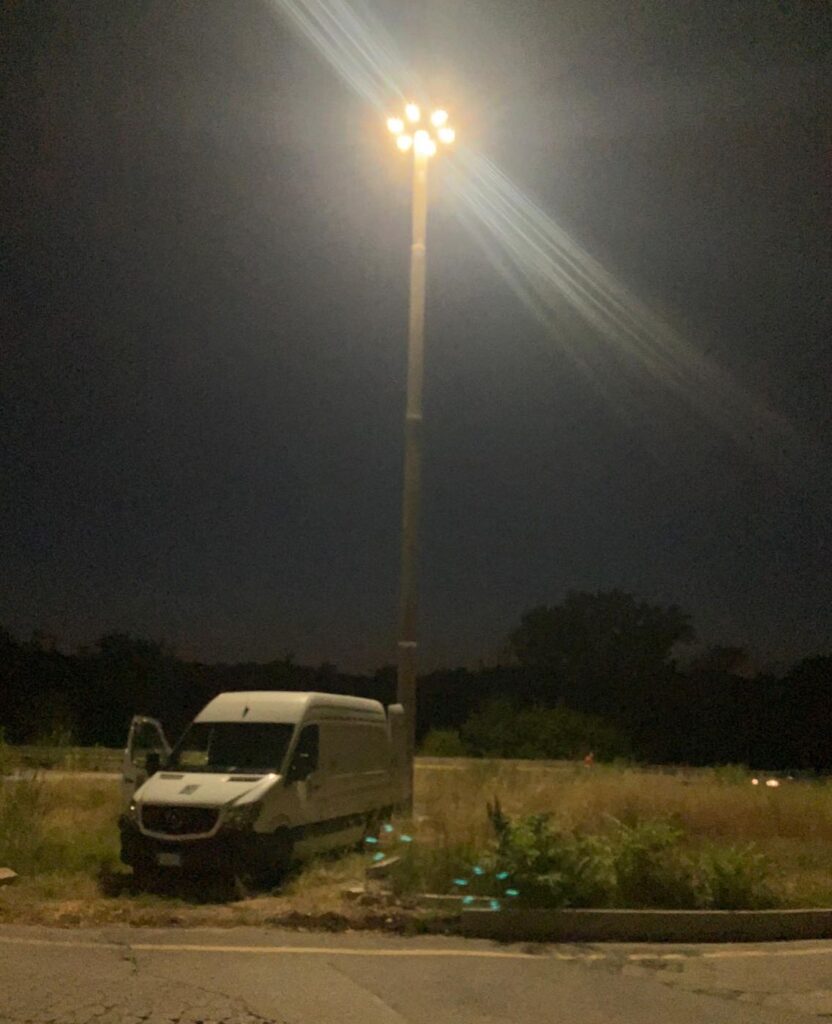
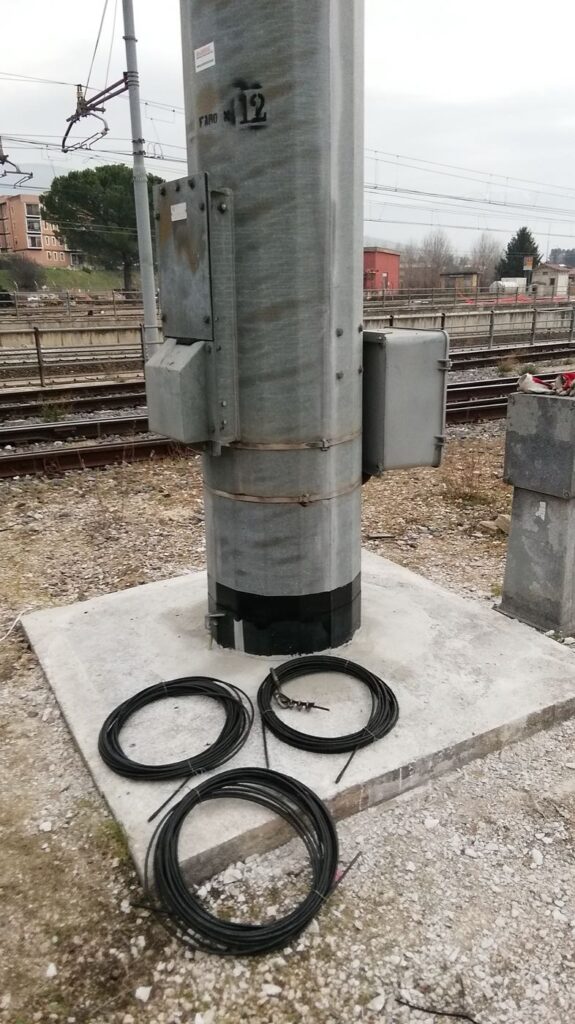
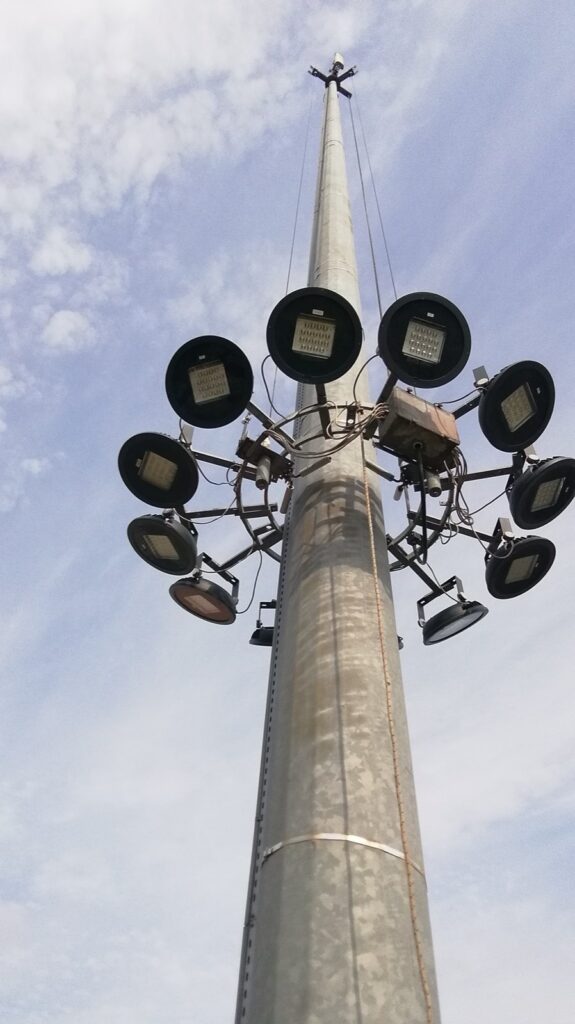
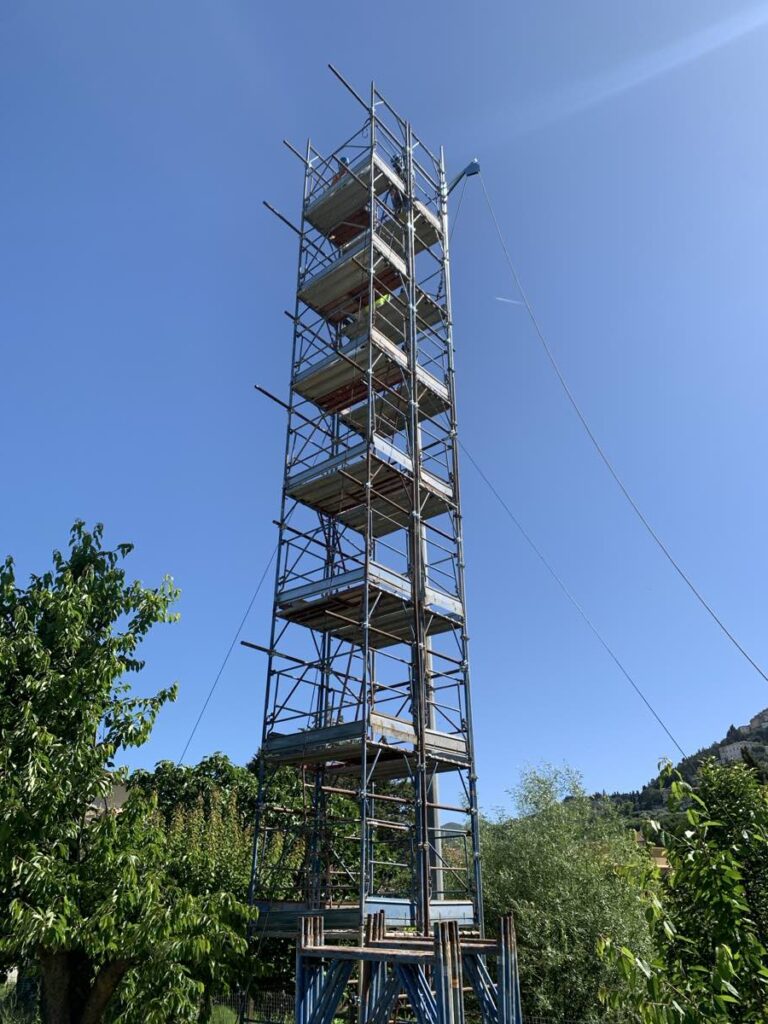
Light towers are to be considered metal structures intended to maintain a given structural condition over time. They usually have the following construction and geometric characteristics:
According to the NTC2018 standard, they require a periodic functional and structural-stability inspection. The inspections to be carried out take into account both the regulations in force and the provisions of the use and maintenance manuals of the light towers on the market.
REQUIRED CONFORMITY INSPECTIONS
Below is the list of activities required for the conformity inspection of these structures.
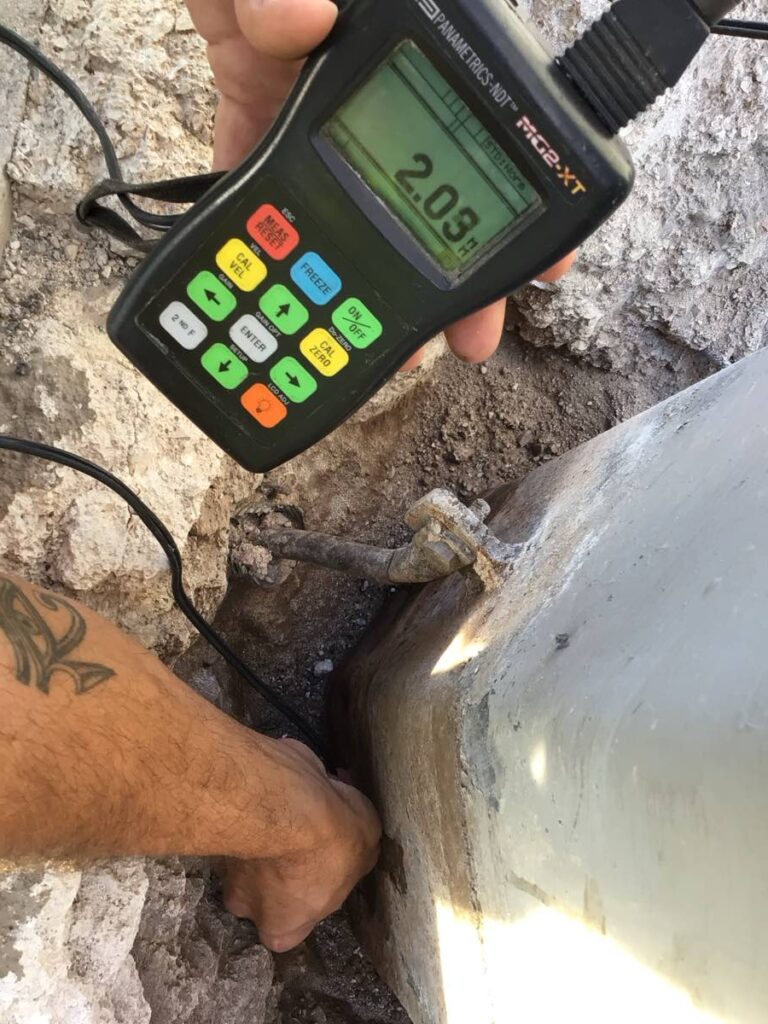
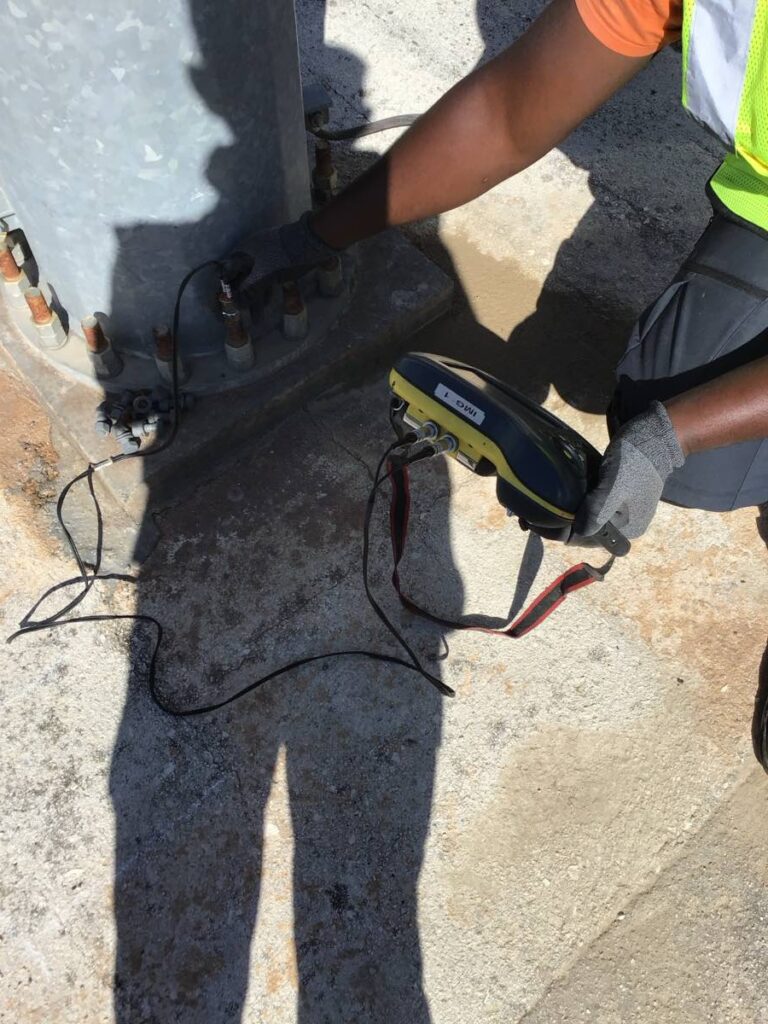
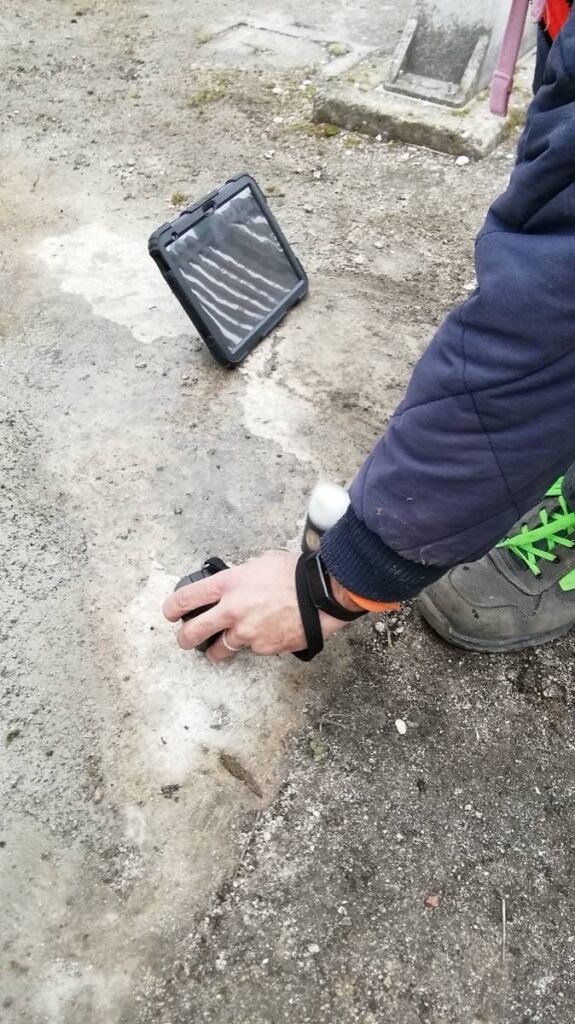
NON-DESTRUCTIVE TESTING ON THE METAL PART


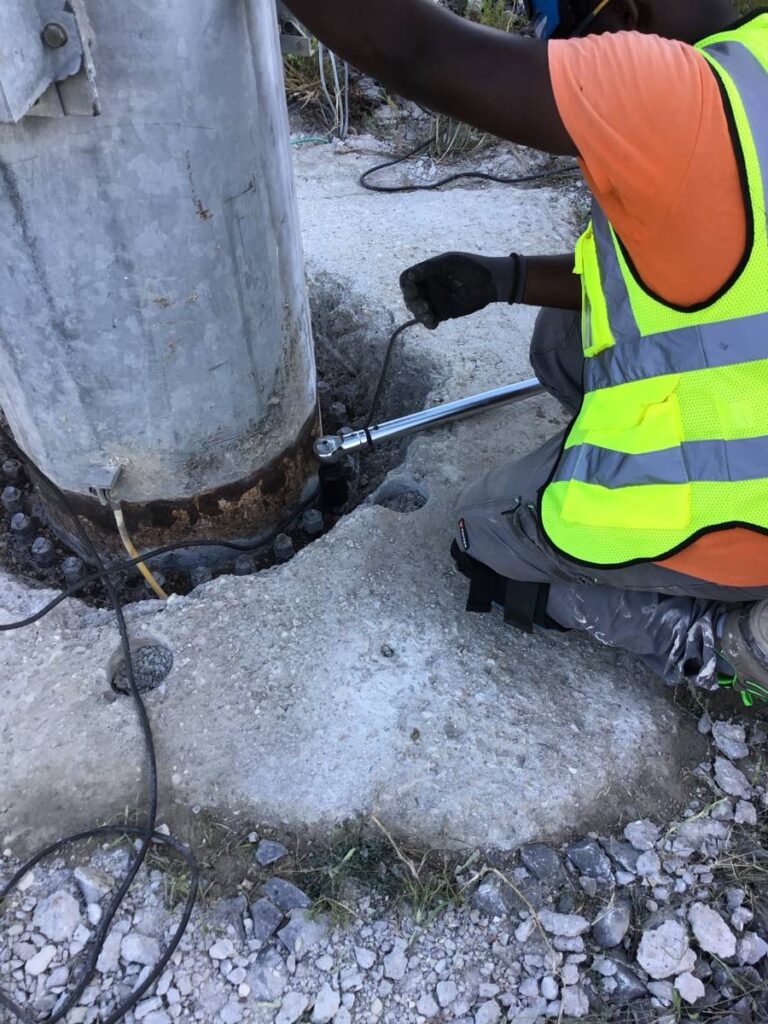
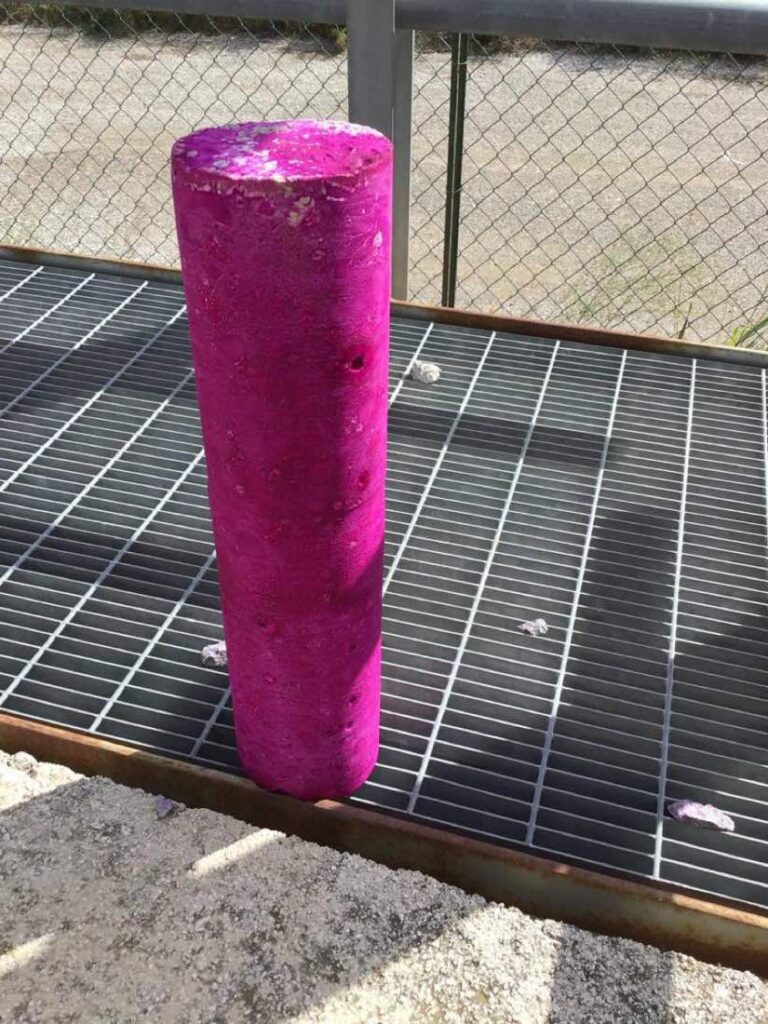
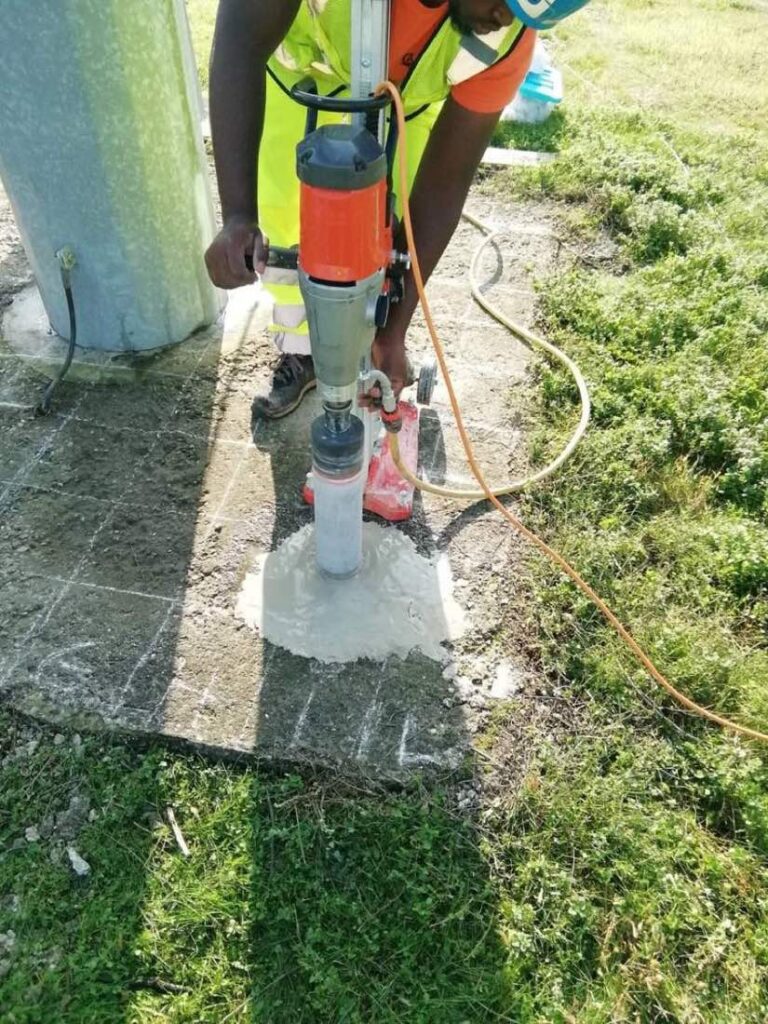
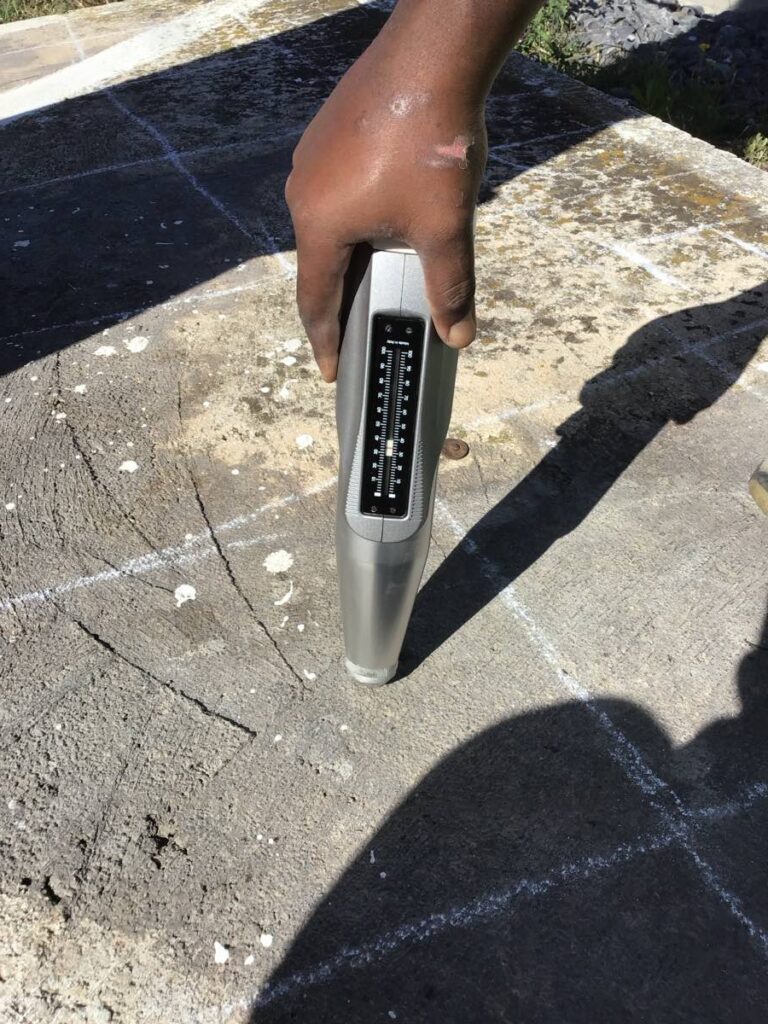
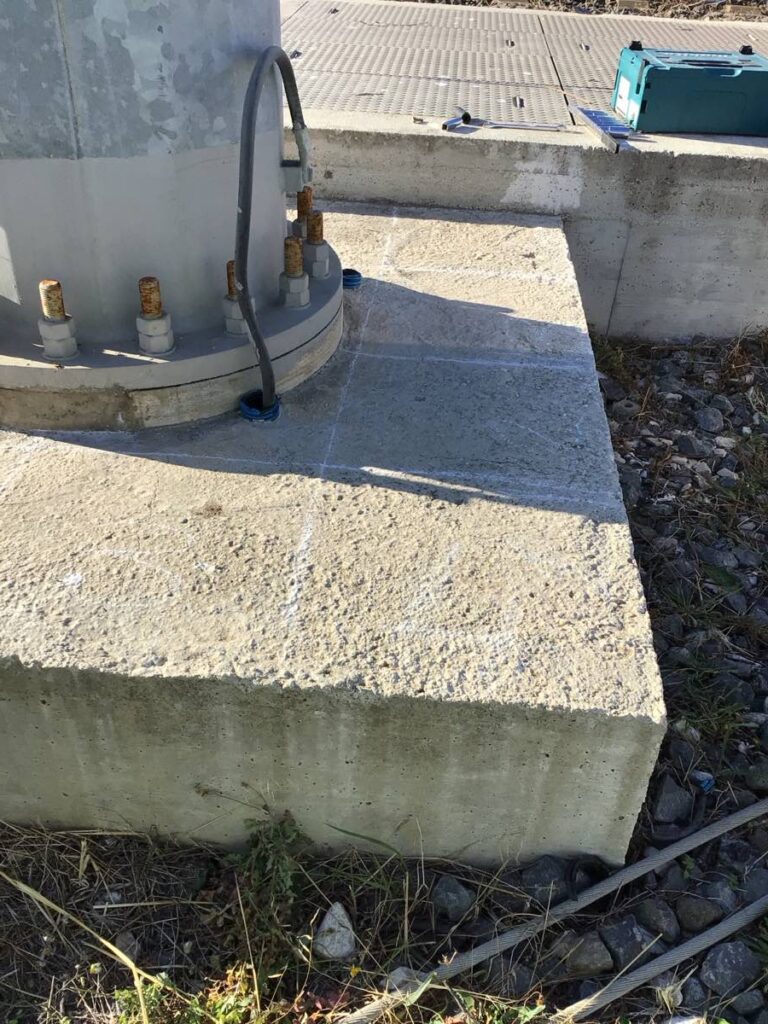
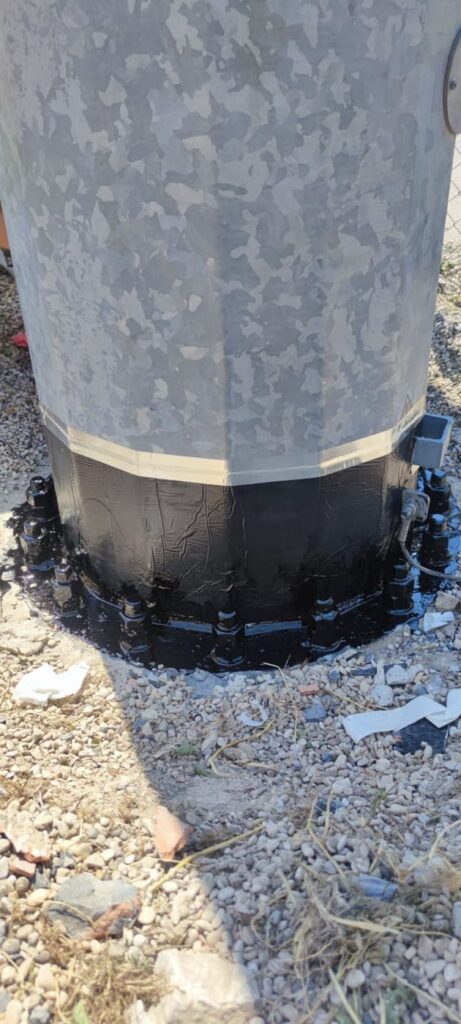
NON-DESTRUCTIVE TESTING ON THE CONCRETE FOUNDATION BLOCK


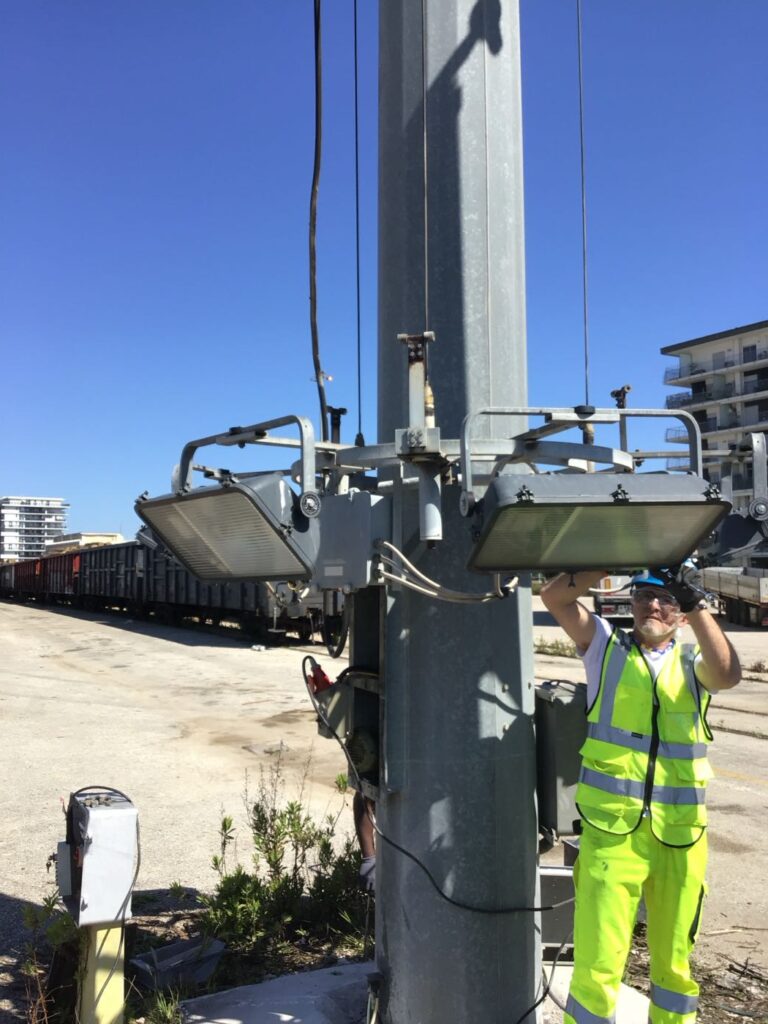
ELECTROMECHANICAL INSPECTIONS


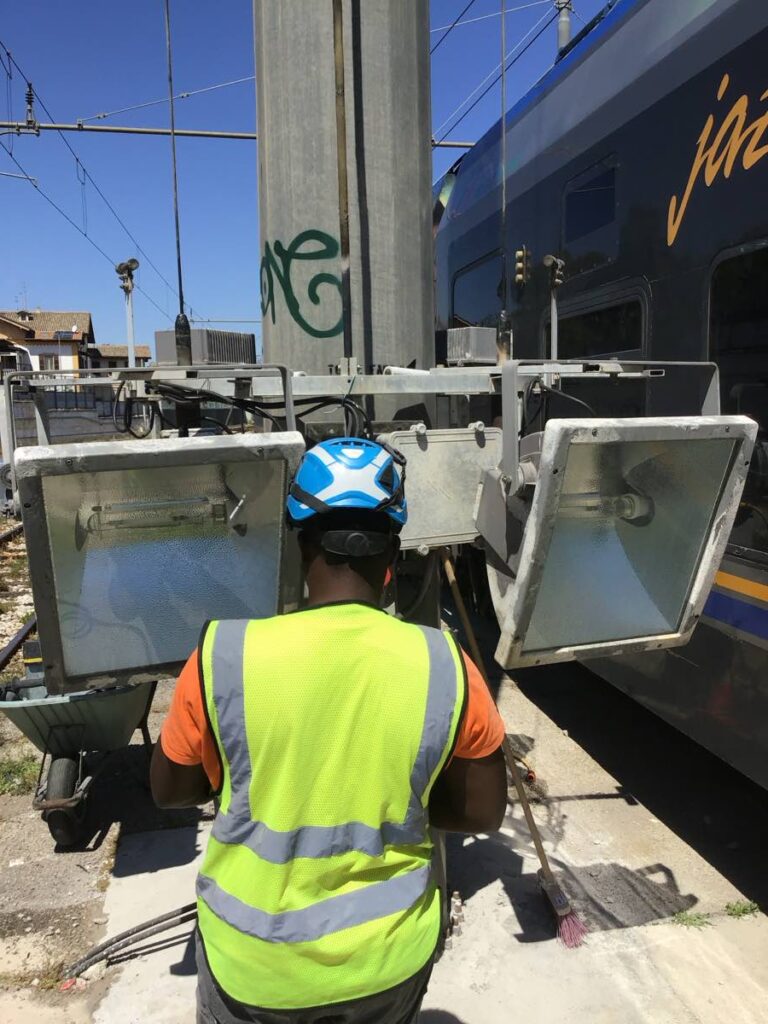
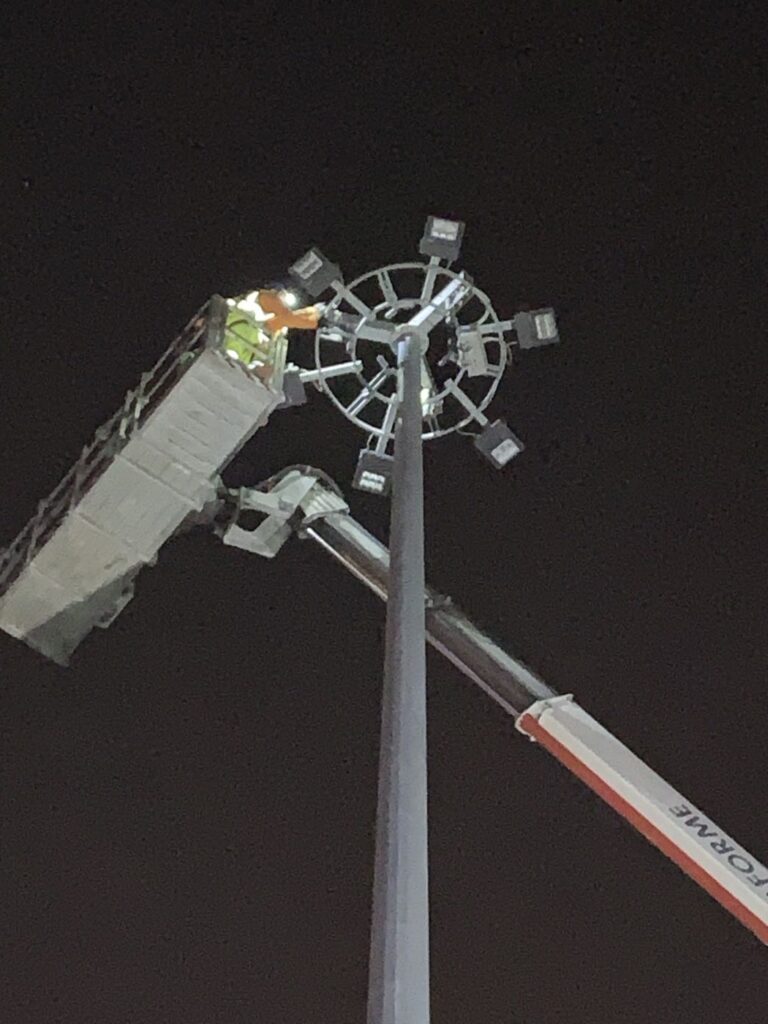
REPLACEMENT OF WORN PARTS OF THE LIGHT TOWER


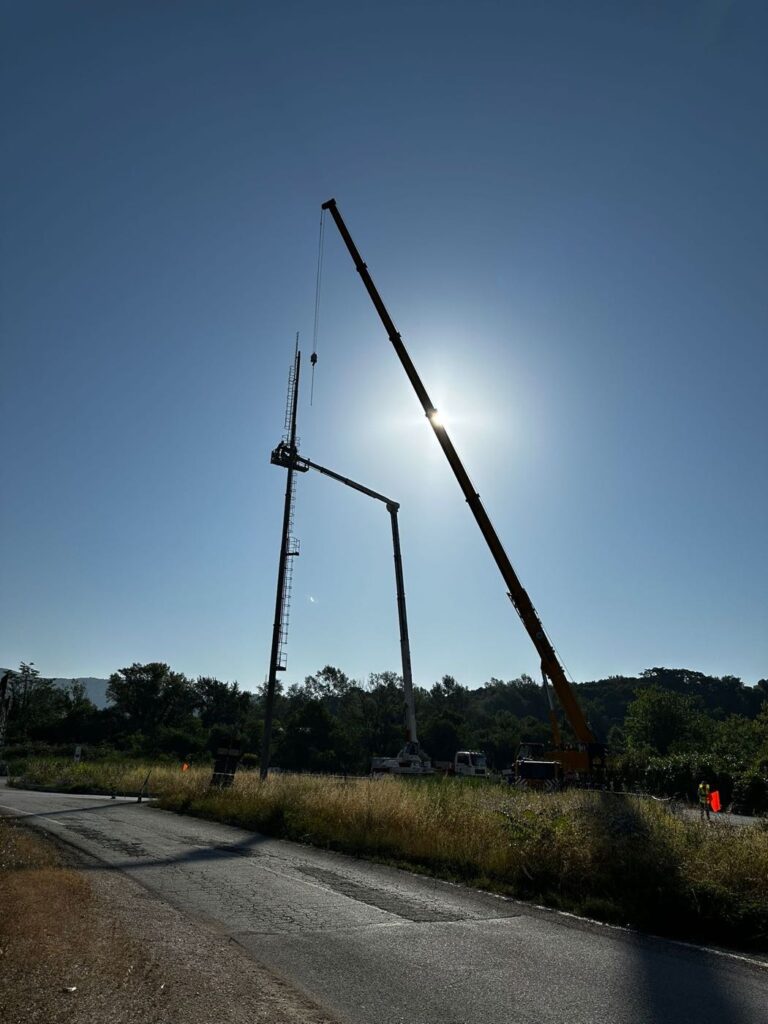
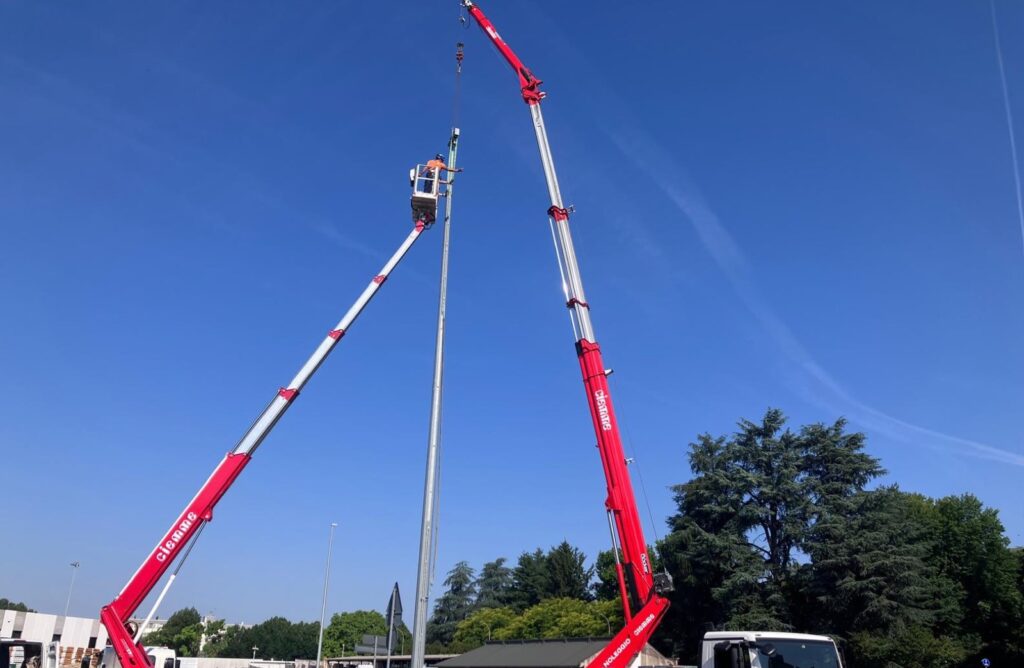
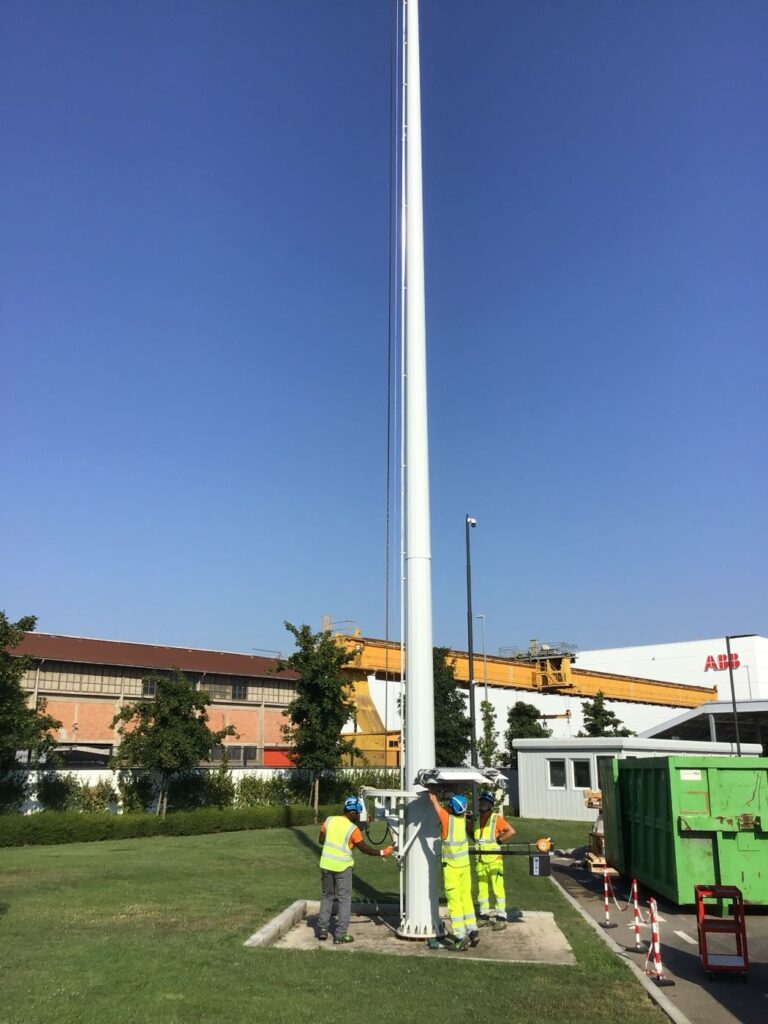
ASSEMBLY AND DISMANTLING OF LIGHT TOWERS AND REFUNCTIONALIZATION
The following activities are also carried out with in-house personnel:


CERTIFICATION
Documentation that can be issued after the inspections:
ZERO POINT
At the customer’s request, if the documentation is completely missing, it is possible to reissue the complete certification of the light tower after the appropriate inspections.
OPERATORS
Our company works only with operators holding PAV, PES and PEI qualifications for safety on medium and high voltage, and with Level II and III ISO 9712 qualification for non-destructive testing on metal and concrete structures.

UT ROBOT SCANNER: AN INNOVATIVE TECHNIQUE
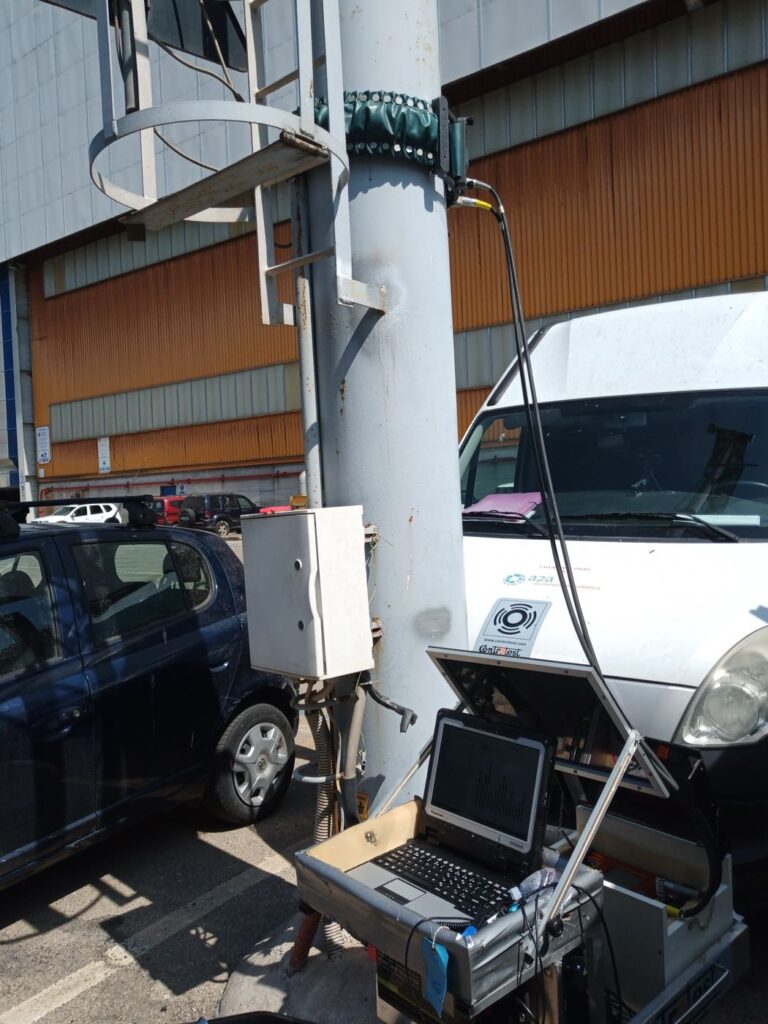
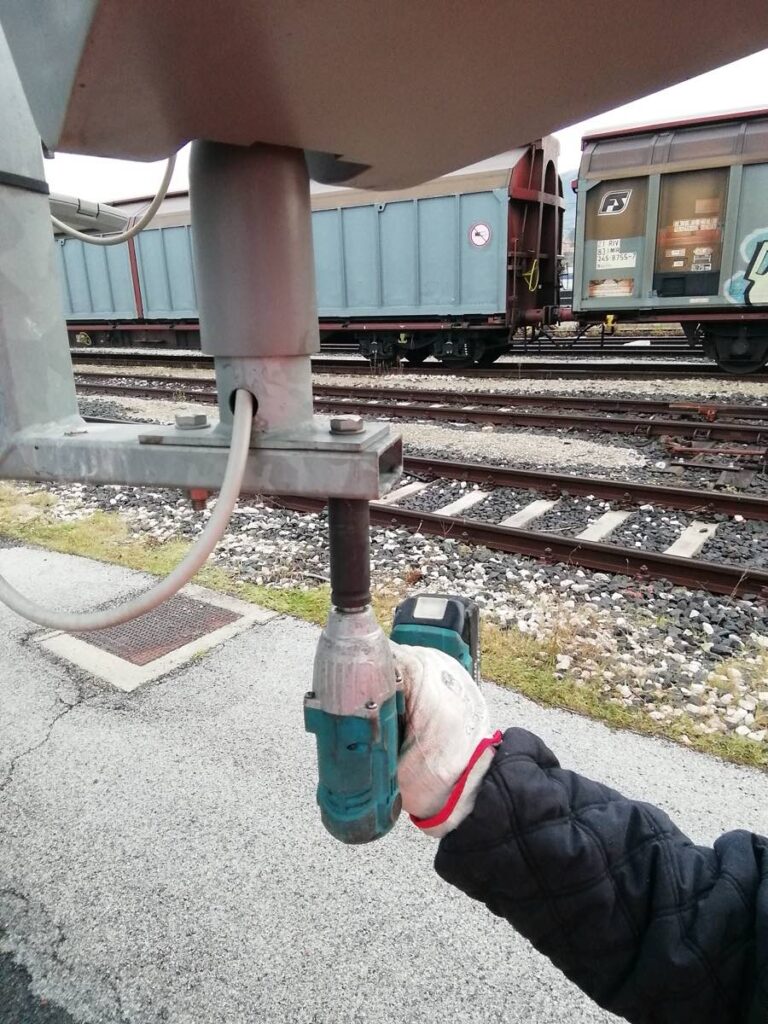
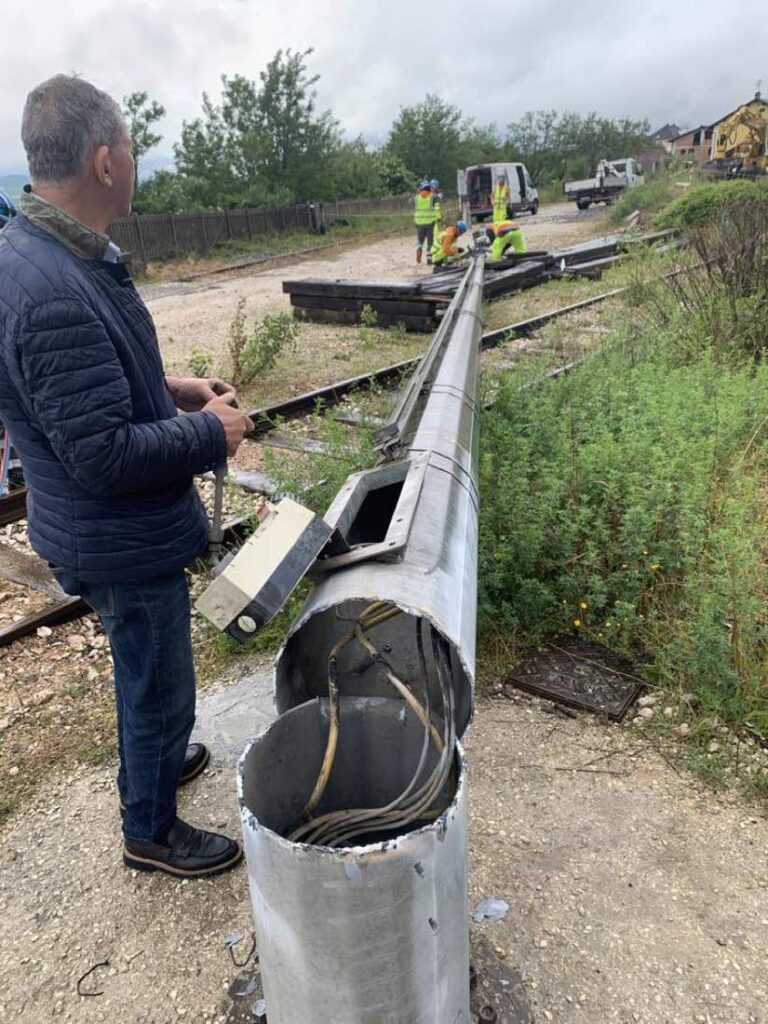
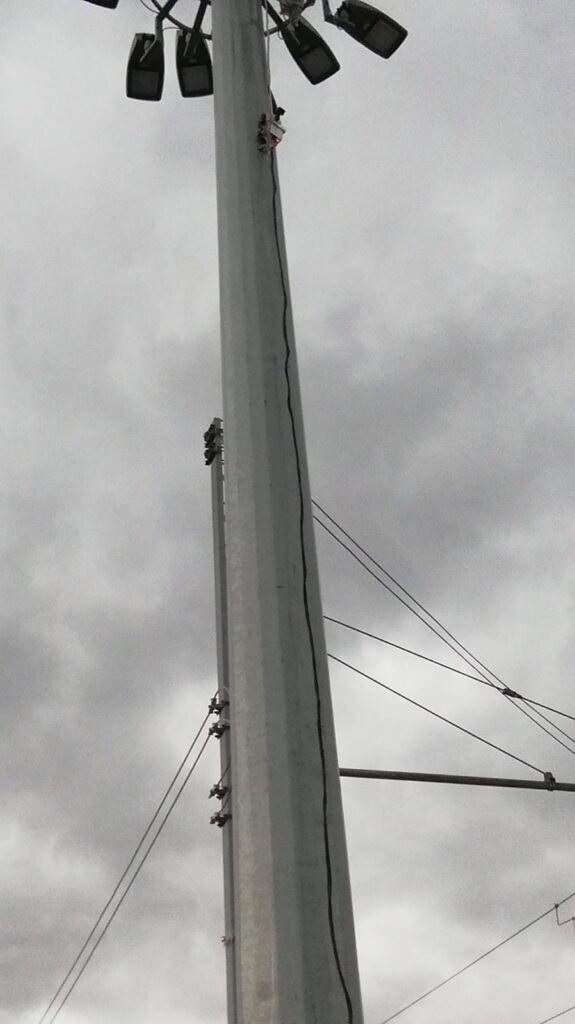
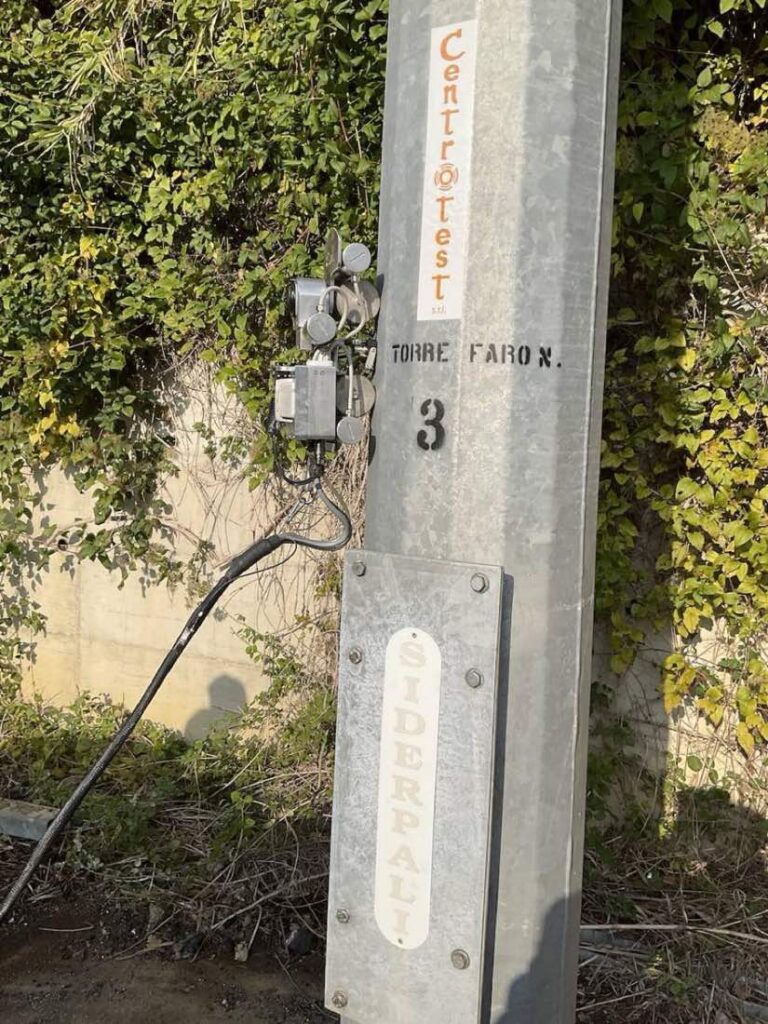
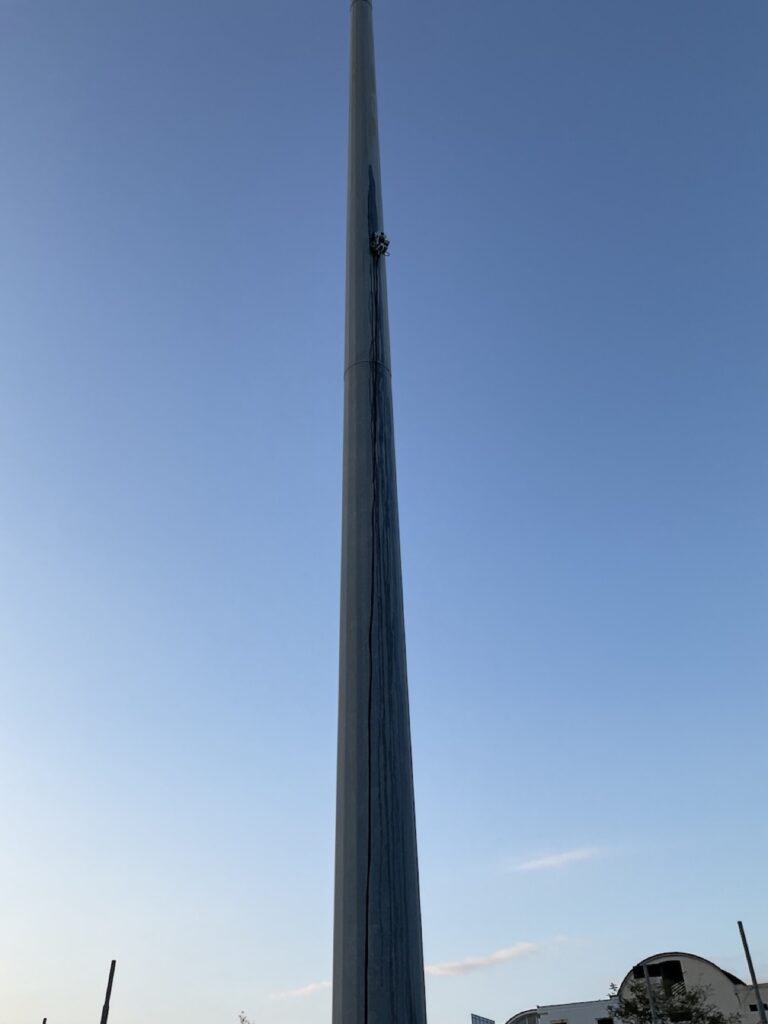
It is a solution that uses the ultrasonic method to check the thickness of pipes or tanks in critical operating conditions. It is suitable for the remote thickness inspection of pipes that are not accessible or located at considerable heights (even 40 metres). Centrotest has applied this technique to the thickness testing of the light tower shaft, with multiple advantages in terms of both safety and inspection reliability. In this way, the use of the aerial platform can be avoided, with a consequent reduction in costs and an increase in safety for workers. The method is widely applied, for example, in the railway environment, where light towers are often placed in areas close to train transit and the aerial platform would entail significant logistical problems.


THE RESPONSIBILITY OF THE OWNERS
Owner of the installations and maintenance of the light towers
The owner of the lighting installations, pursuant to articles 589 and 590 of the Italian Criminal Code, will be held criminally liable if unable to demonstrate that they have diligently carried out, in accordance with the regulatory provisions, the inspection and surveillance operations on the structures they own, having adopted all the measures available in order to verify and keep them fully efficient, carrying out extraordinary and ordinary maintenance over time.
Criminal liability
With regard to criminal liability, article 75 of Italian Legislative Decree no. 81 of 9 April 2008 provides that the owner implements adequate technical and organizational measures to minimize the risk of accidents, so that the towers are installed in accordance with the manufacturer’s instructions, used correctly and subject to suitable maintenance, in order to ensure compliance with safety requirements over time. Failure to comply with the obligations imposed by the aforementioned regulations exposes the owner of the light tower to the risk of penalties, as provided for by article 87 of Italian Legislative Decree no. 81 of 9 April 2008.
Civil liability
With regard to civil liability, article 2043 of the Italian Civil Code provides that the party responsible for damage must compensate the victim, also with reference to any omissive conduct.
ISO 9001:2008
ISO 14001:2004
OHSAS 18001:2007
REGISTERED AND OPERATIONAL OFFICE: Via Gabelletta 197/B Terni (TR)
NARNI BRANCH: Strada di Maratta Bassa, 48 05035 Narni (TR)
BRANCH FOR NORTHERN ITALY: Via Molise 4, 20098 San Giuliano Milanese (MI)