Home » Other non-destructive tests » Corrosion Control of Public Administration Poles
SERVICE FOR THE INSPECTION OF SUPPORT STRUCTURES OWNED BY PUBLIC ADMINISTRATIONS OR BY RAILWAY, ROAD OR AIRPORT AUTHORITIES
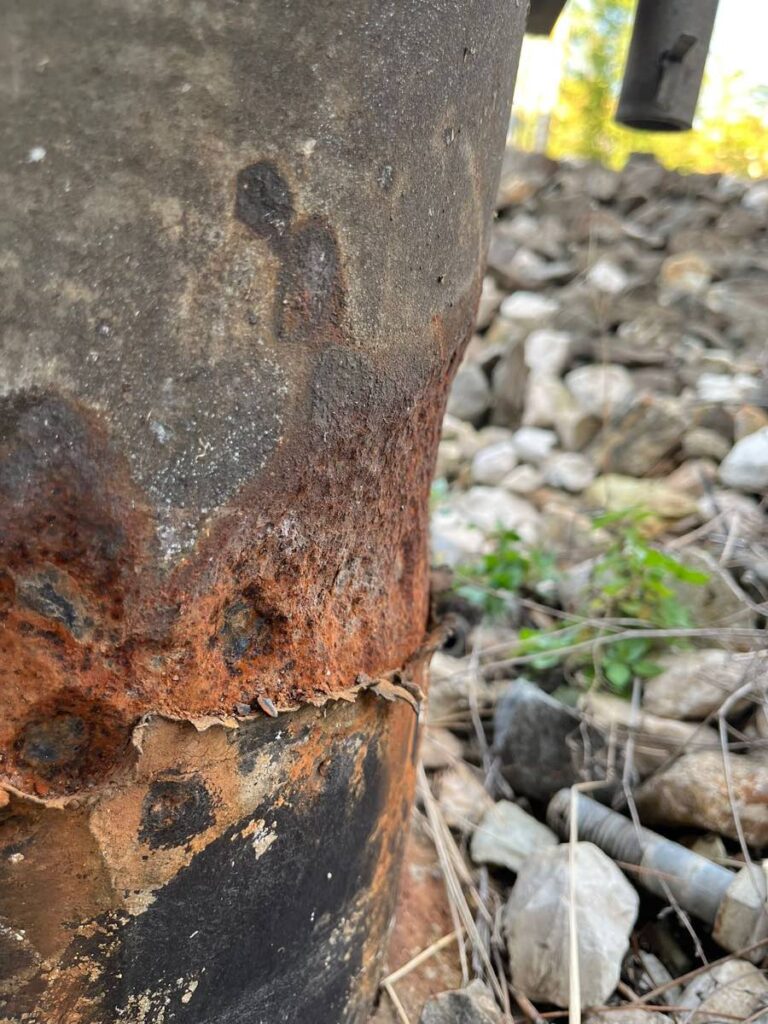
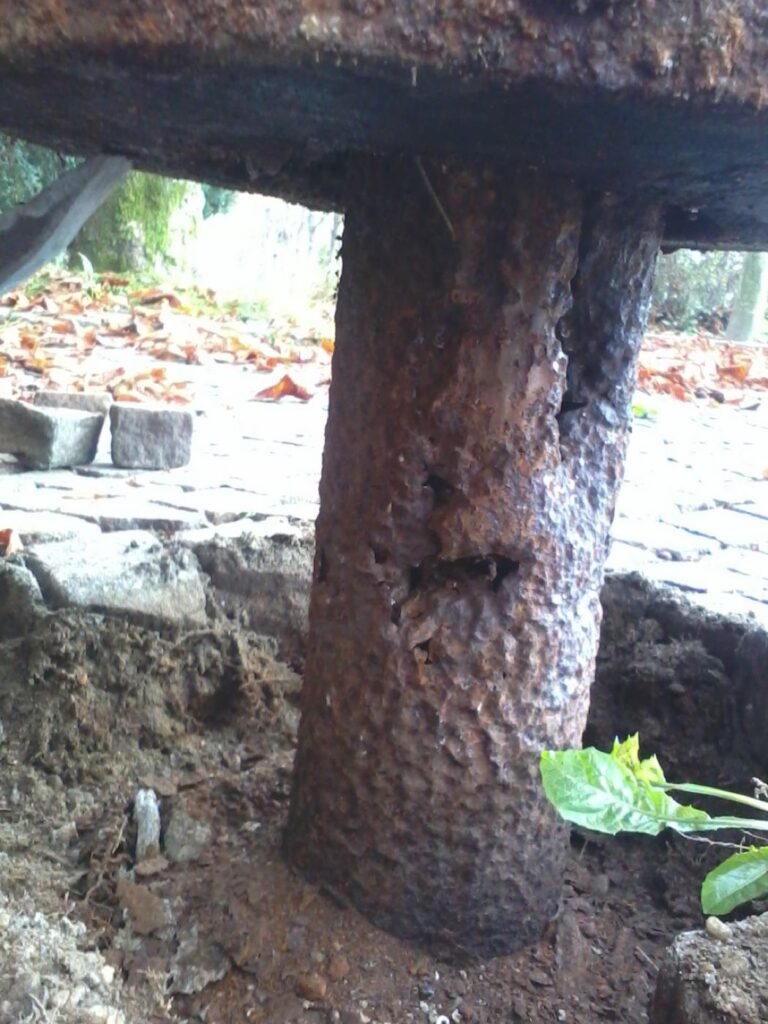
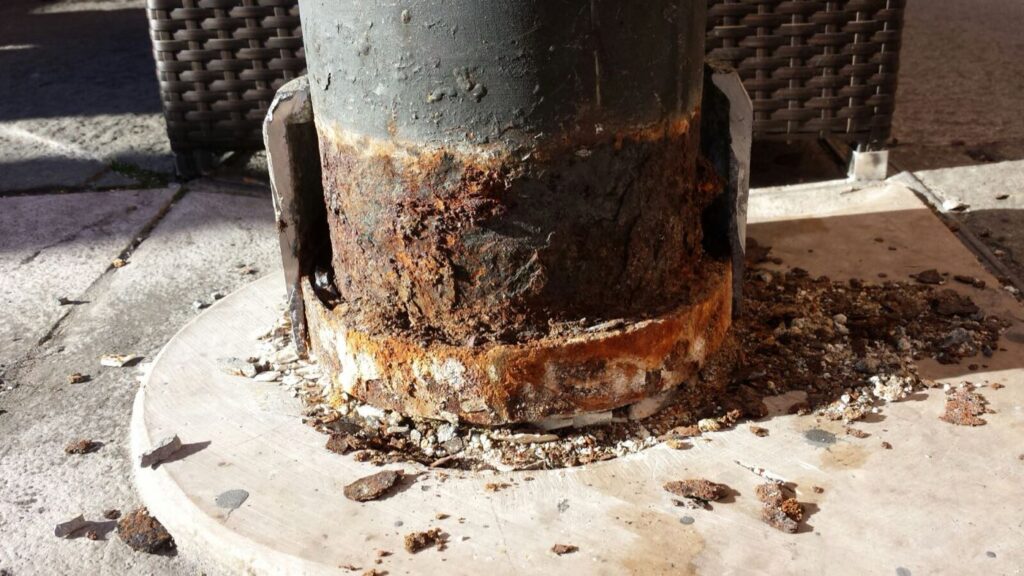
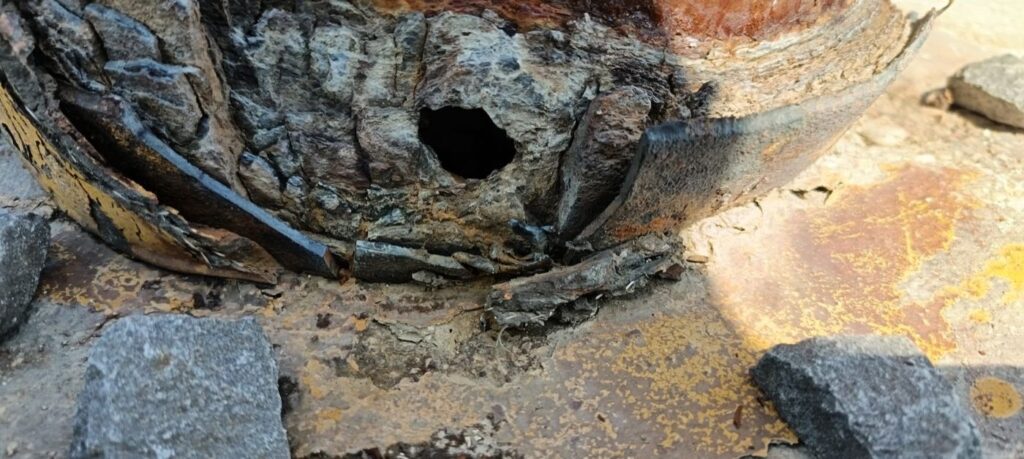
THE CORROSION OF SUPPORT STRUCTURES
The collapse of a public lighting pole is almost always caused by corrosion phenomena. Such events are more frequent than one might think and can have extremely serious consequences for the body that manages them. In this regard, recent cases of loss of human life caused by this phenomenon are known, which occurred in Italian and foreign cities:
For some years now, current legislation has required the bodies that own these installations to carry out periodic inspections, in order to spare the community any accidents that could cause significant damage, especially given the danger of these structures.


For over 30 years, Centrotest srl has been active in this sector, with a total of more than 1,000,000 support structures inspected and accumulated experience that makes us a leading company in Italy, both for experience and operational capabilities.
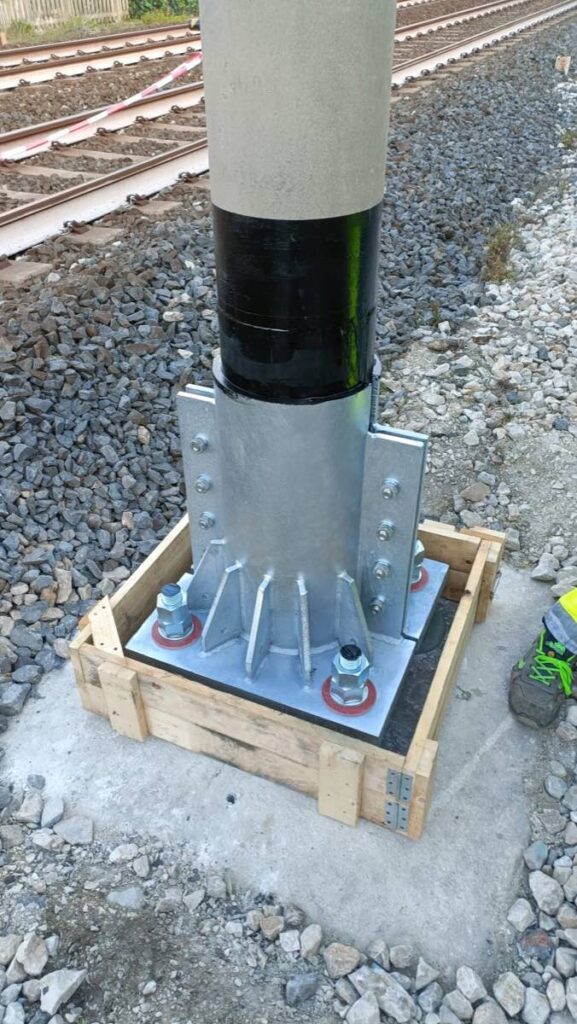
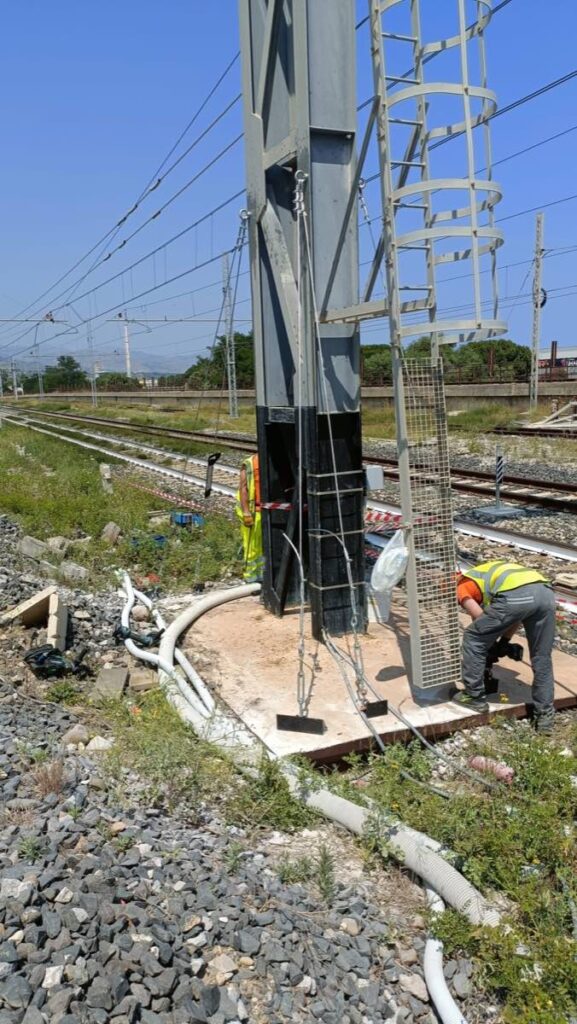
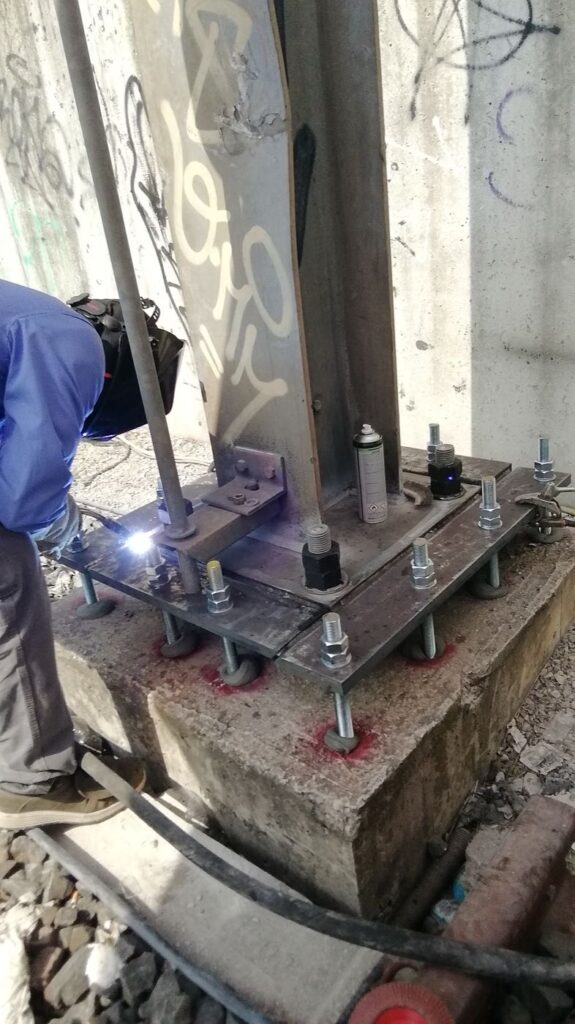
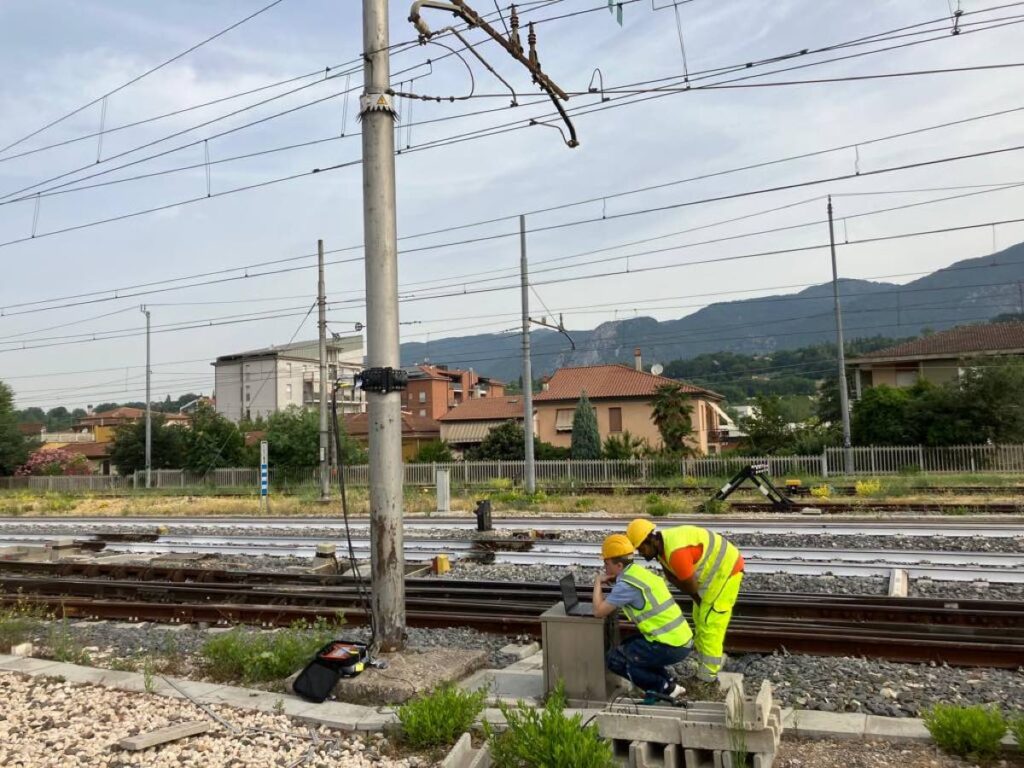
Centrotest srl inspects both lighting poles and railway traction poles or motorway poles. For railway traction poles, given their particularly critical function and their sometimes costly replacement, our company offers various projects for their refunctionalization.


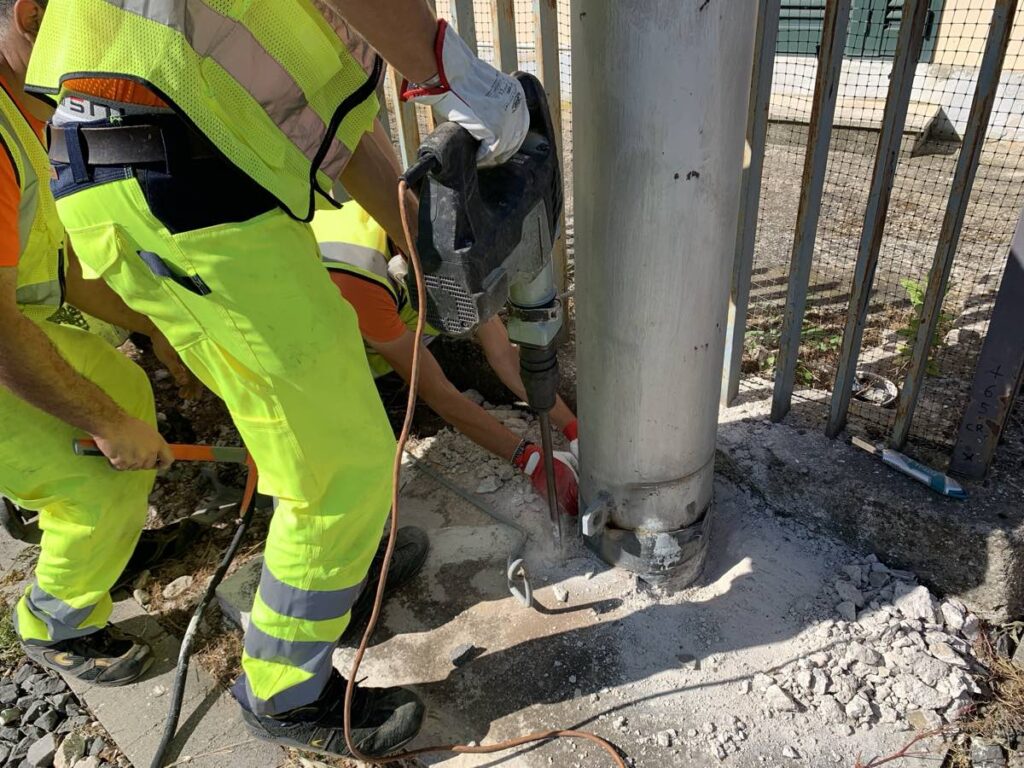
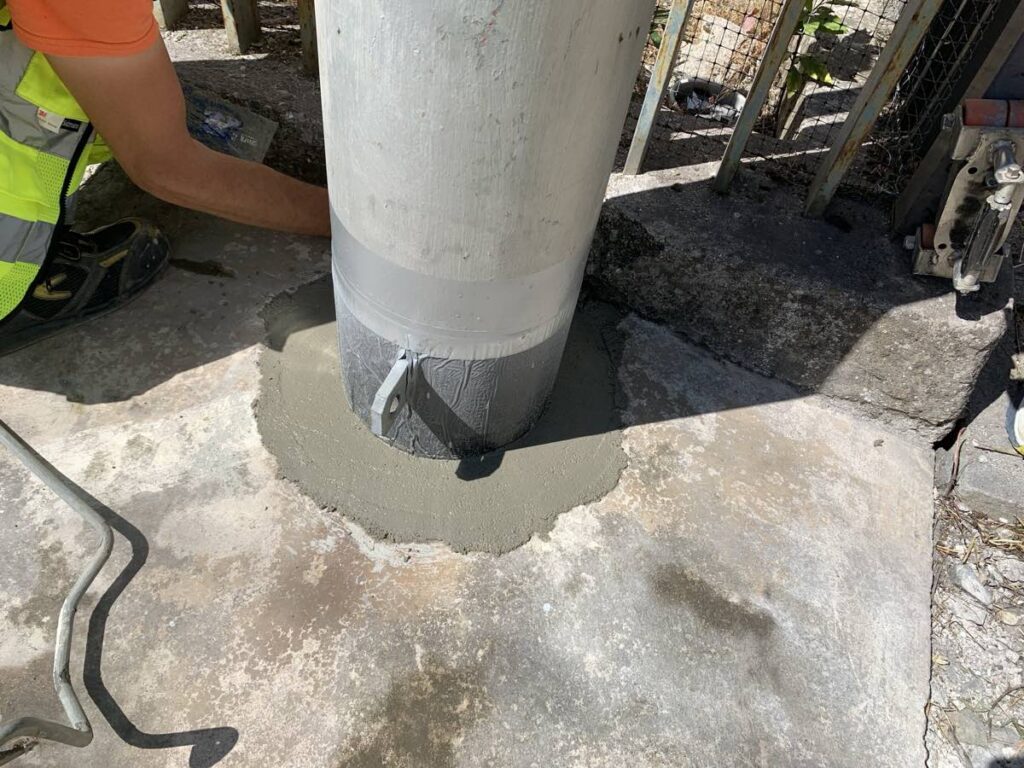
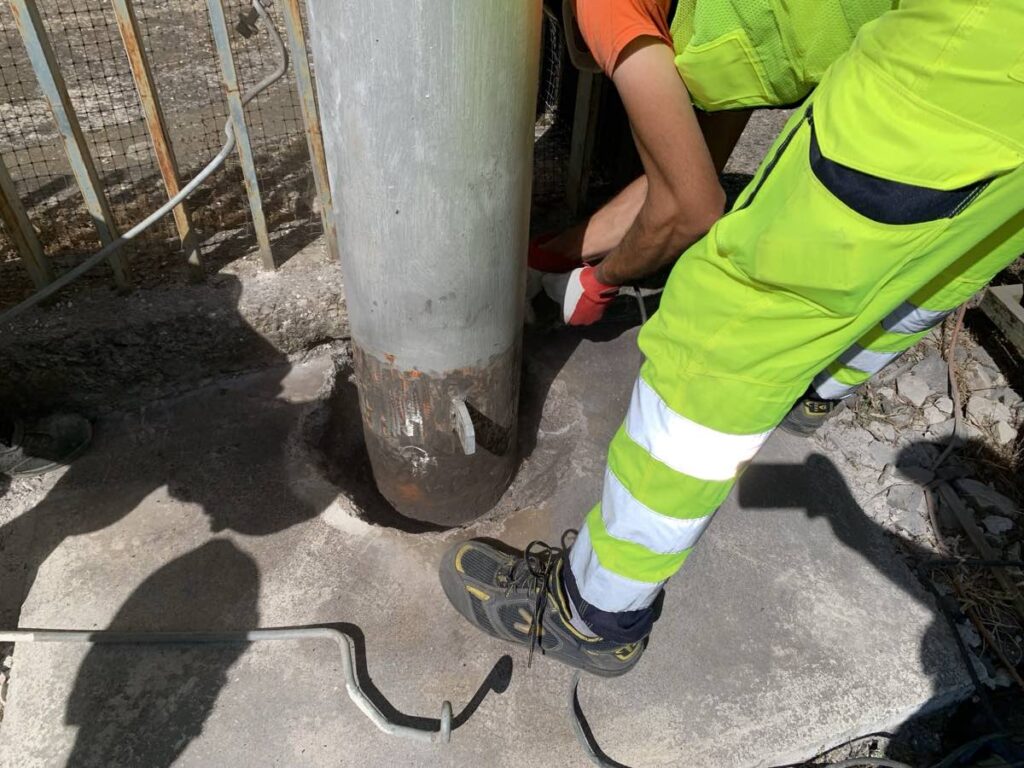
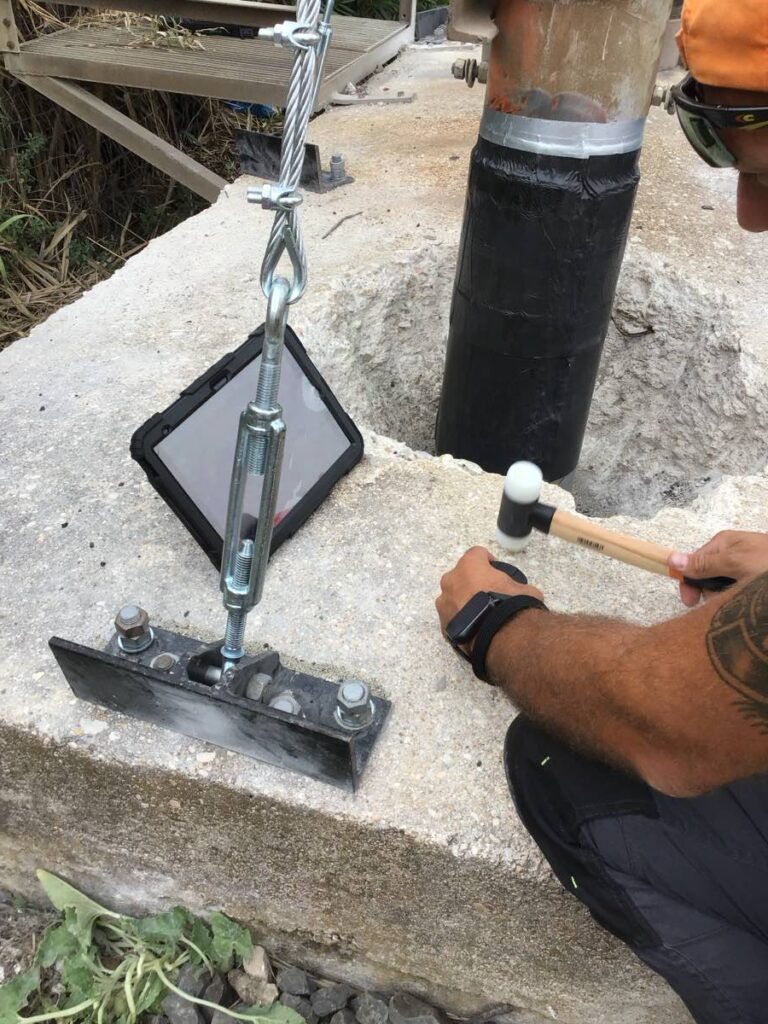
In order to extend the residual life of the pole, remediation activities are carried out, involving breaking the collar, installing the protective sheath and subsequently restoring the collar.


TECHNIQUES USED
The most suitable inspection methods are selected based on the position of the support structure, its geometry, its function and the customer’s objectives. Some authorities have also produced their own specifications and technical requirements setting out how to operate. The most commonly used techniques are the following:
LPR TESTING OF POLES (LINEAR POLARIZATION)
Electrochemical principle
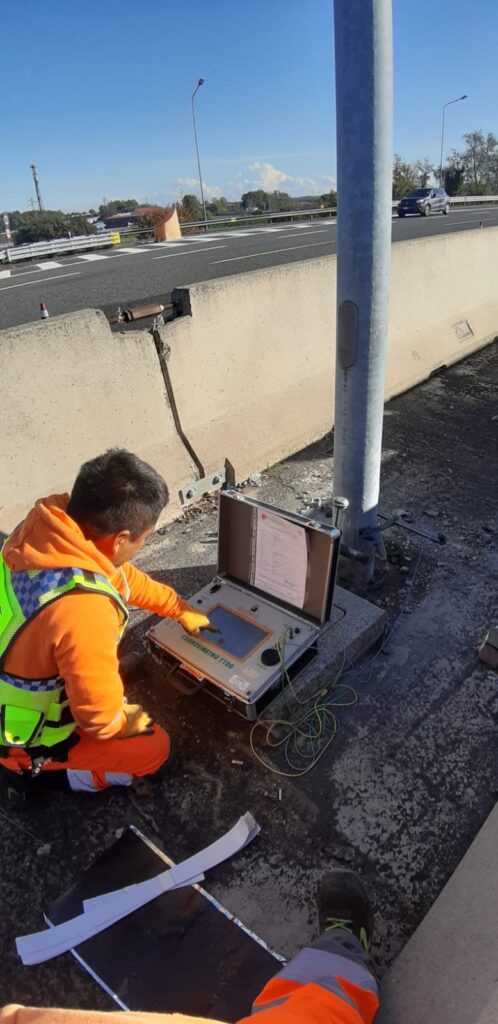
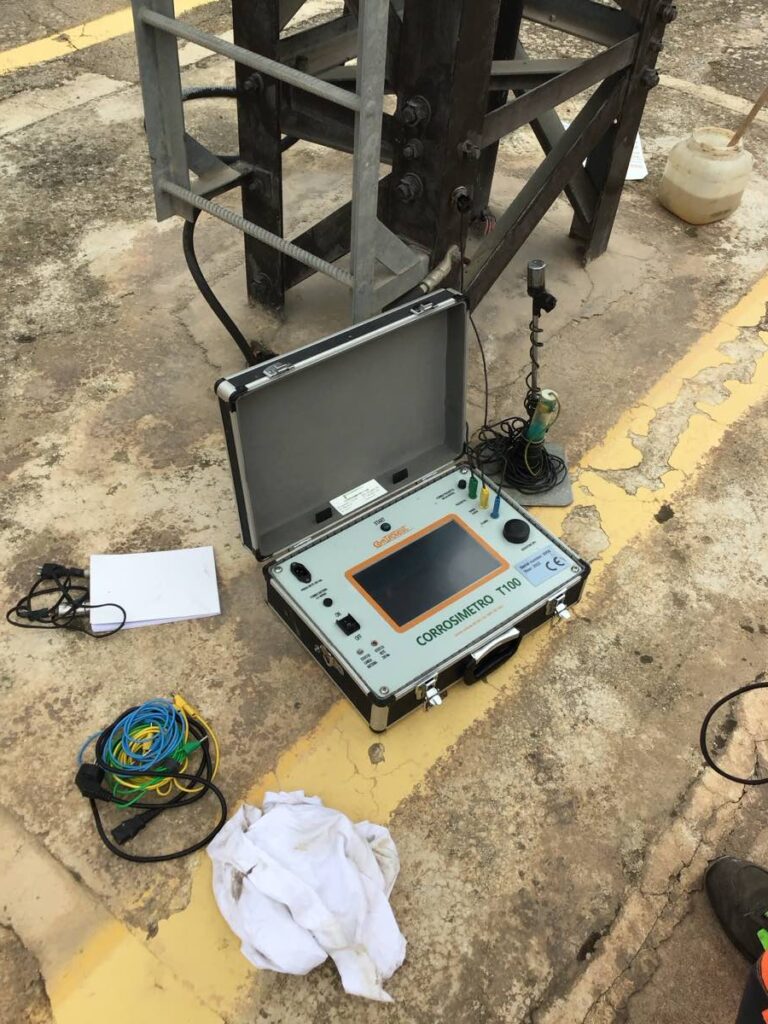
With the aid of special devices called corrosimeters, connected both to the pole with clamps and to the ground via electrodes in a Cu/CuSo4 solution, the corrosion potential is measured. The data generated by the measurement are then processed by the device’s internal computer, which provides a final result in terms of residual life and corrosion potential measurement.


GUIDED WAVE TESTING OF POLES
Surface waves that propagate over long distances
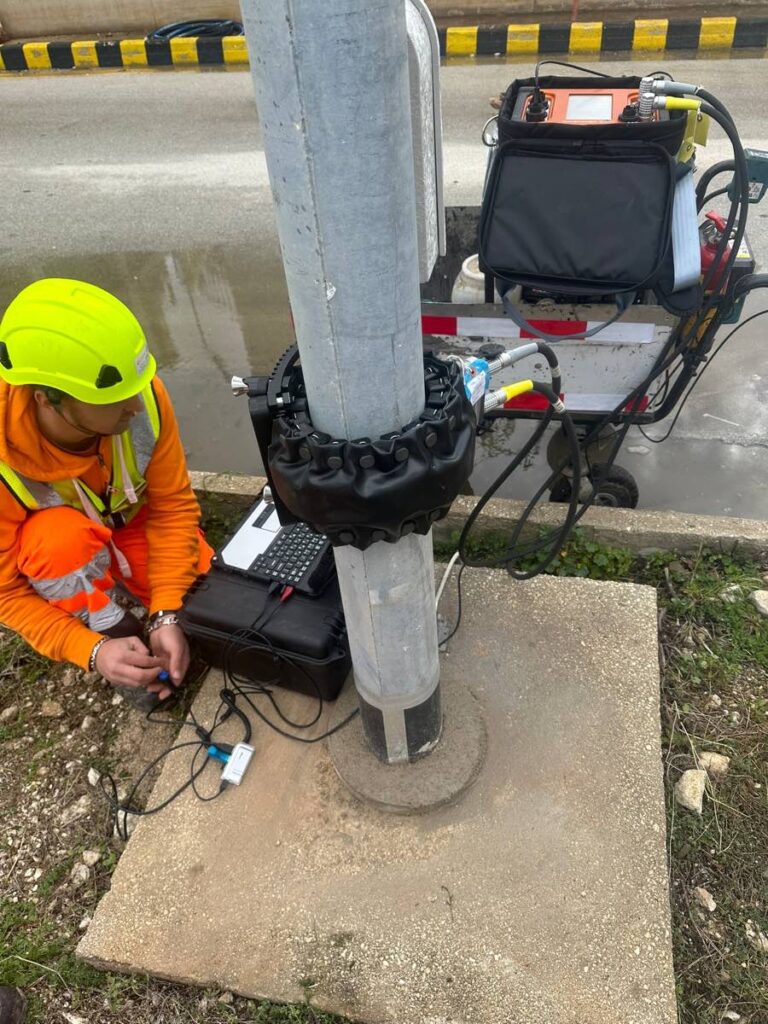
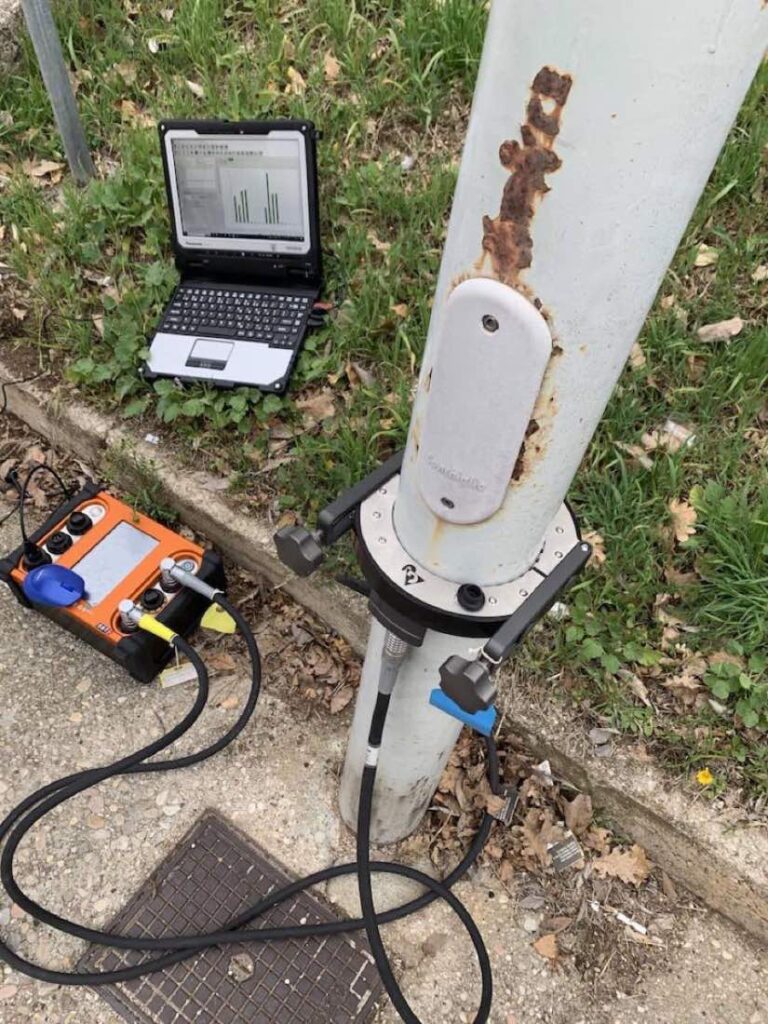
These are low-frequency ultrasonic waves that propagate along the surface of the pole’s sheet metal, both internally and externally, and can also reach the buried part of the support structure. It is a method originally developed for the inspection of buried or cast pipelines and for off-shore platforms; for some years now the technique has been refined for the inspection of support structures.


ULTRASONIC TESTING OF POLES
Standard inspection applied to poles
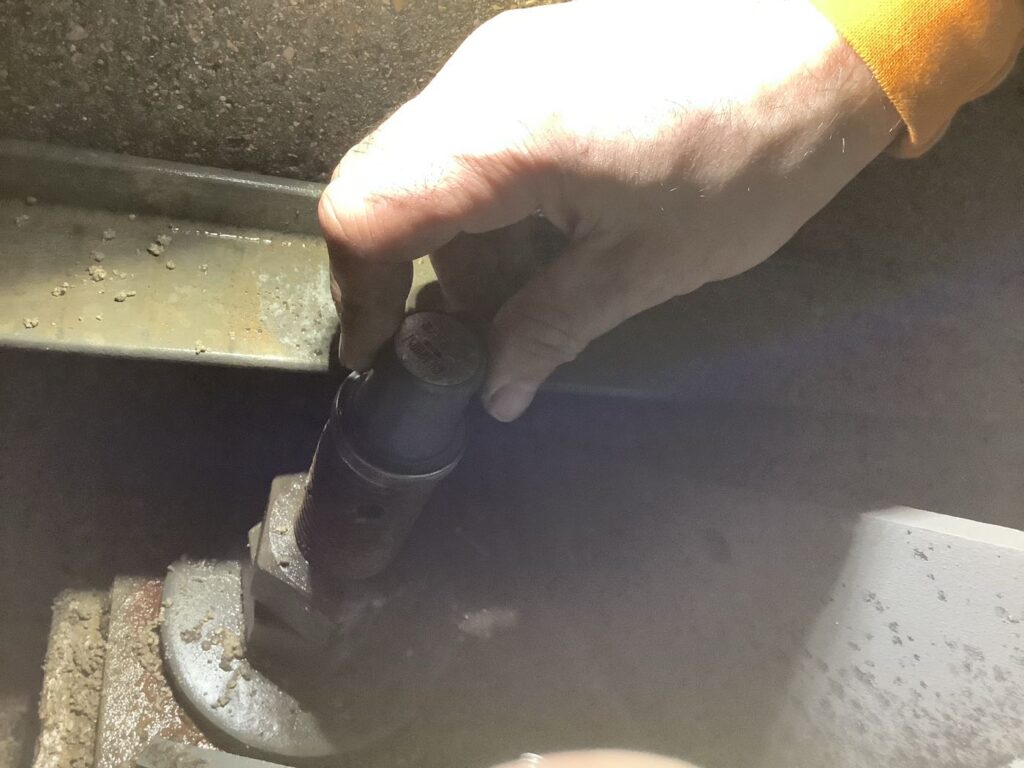
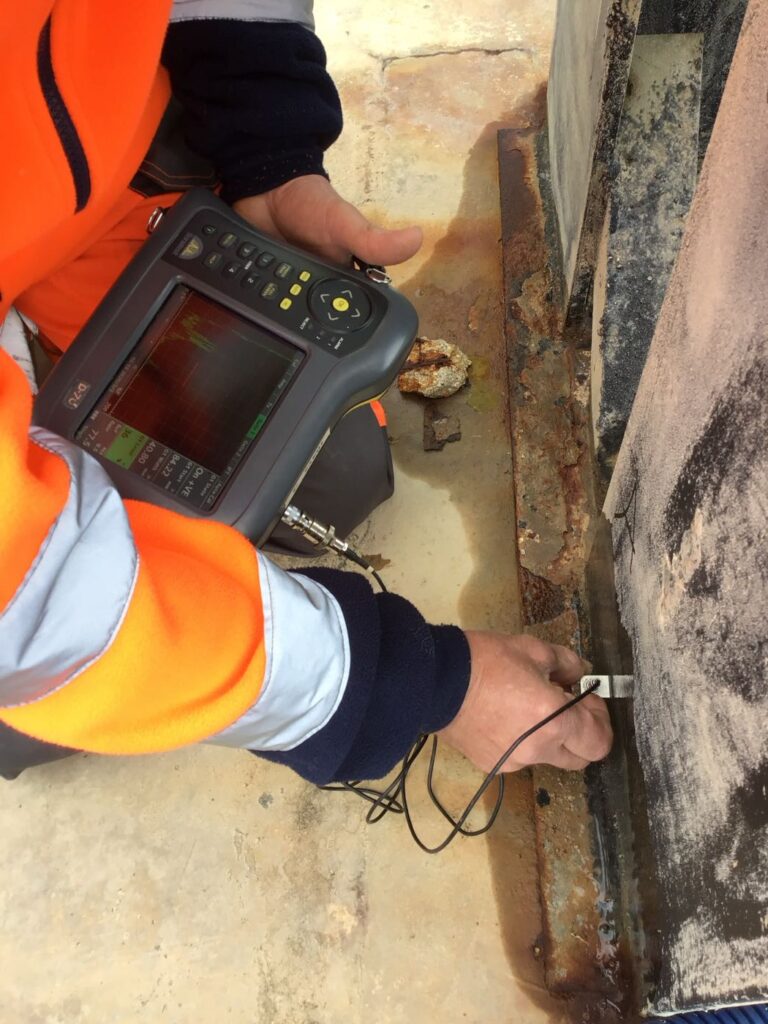
Ultrasonic testing is traditionally one of the most widely used methods for corrosion inspection and for detecting internal defects in steels. Through an angled probe, an ultrasonic beam is emitted that propagates inside the sheet metal; depending on the level of corrosion and the thickness reductions encountered, echoes will appear on the device’s display. In the case of support structures, it is particularly suitable for detecting corrosion at the embedment base and can be used on poles of different geometries. It is also applied to check for any cracks on the anchor bolts of the base plates.


ENDOSCOPIC TESTING OF POLES
Visual inspection carried out with tiny cameras to detect corrosion inside the pole
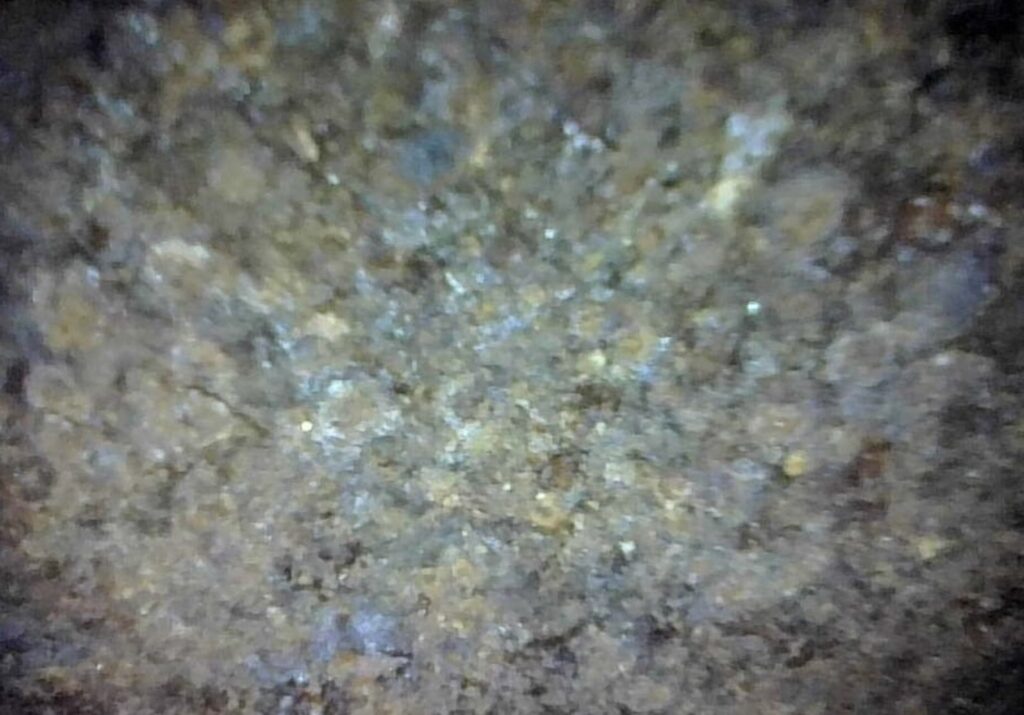
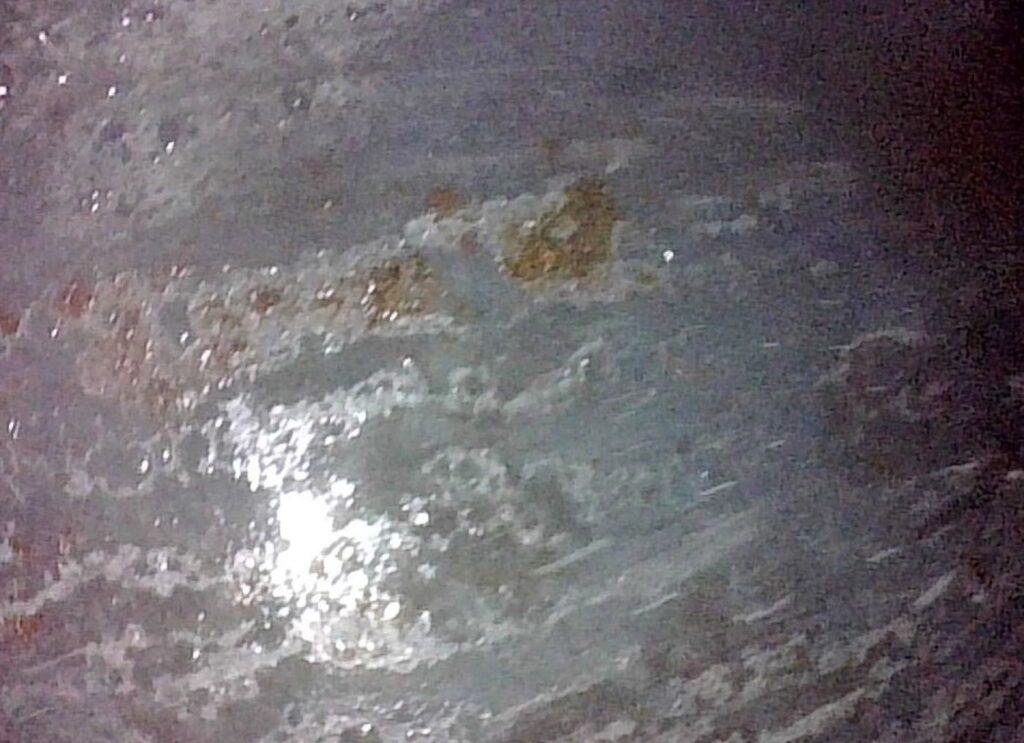
Endoscopic testing is particularly suitable for detecting corrosion inside the pole and especially the presence of stagnant water, which can accelerate the corrosion phenomenon. The cable can be inserted either through the internal hatch, in the case of lighting poles, or by drilling a tiny 6 mm hole which is then closed again by welding or with screws coated with anti-corrosion product.


THICKNESS TESTING OF POLES
Ultrasonic method for checking the thickness of the pole’s sheet metal
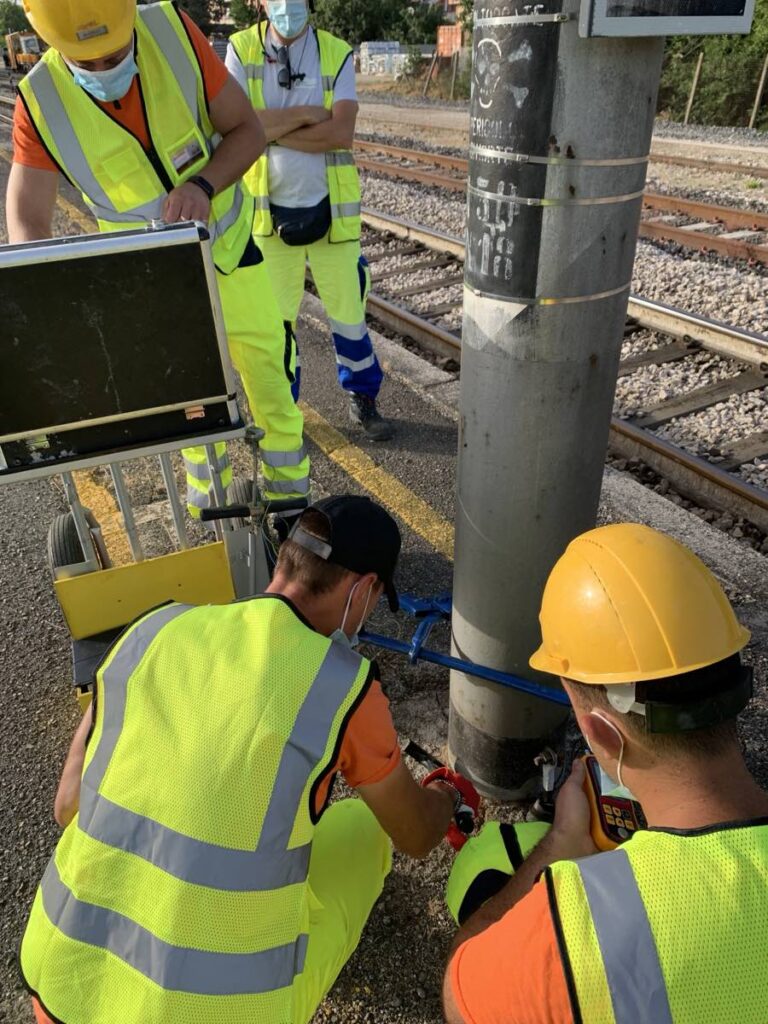
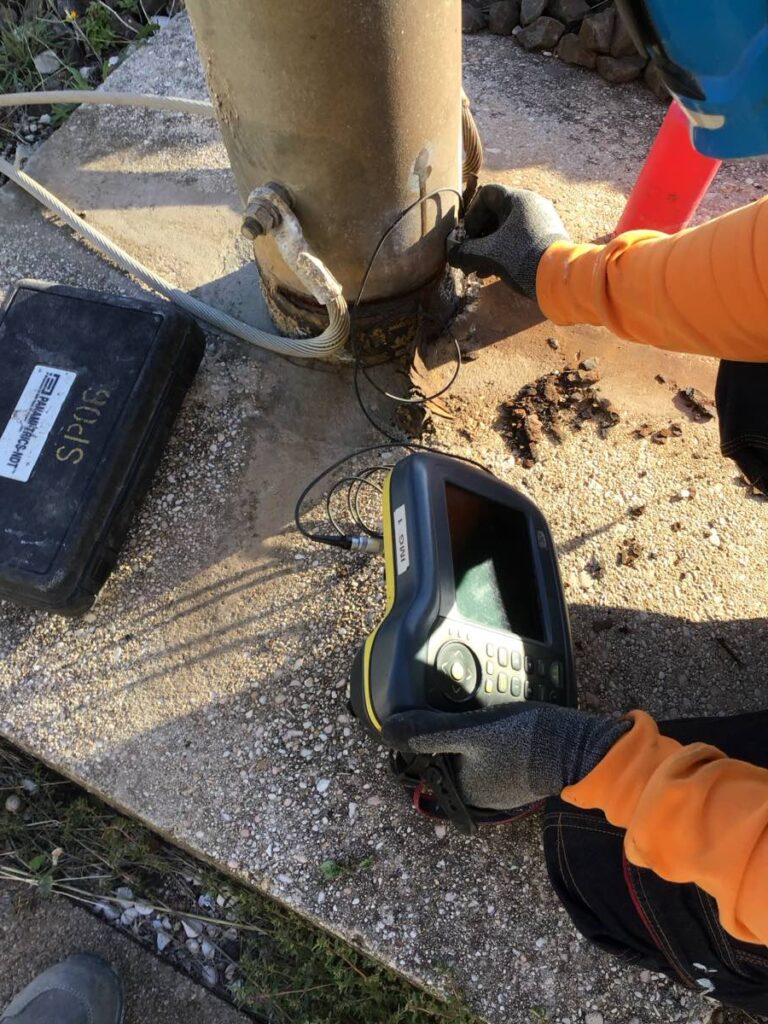
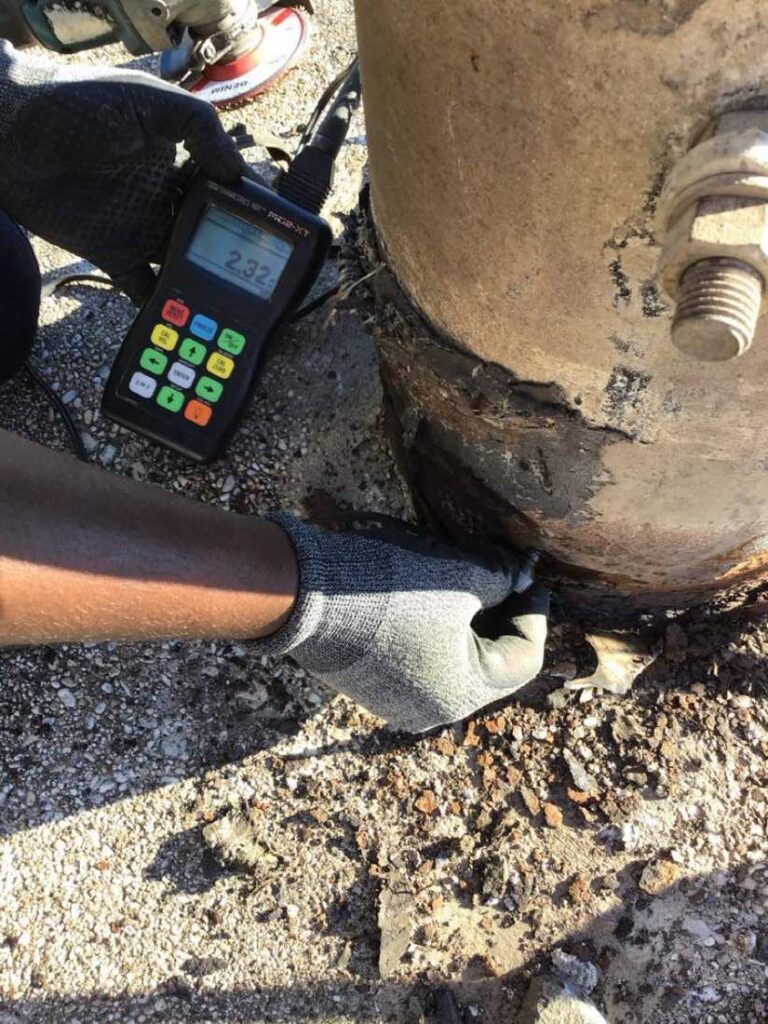
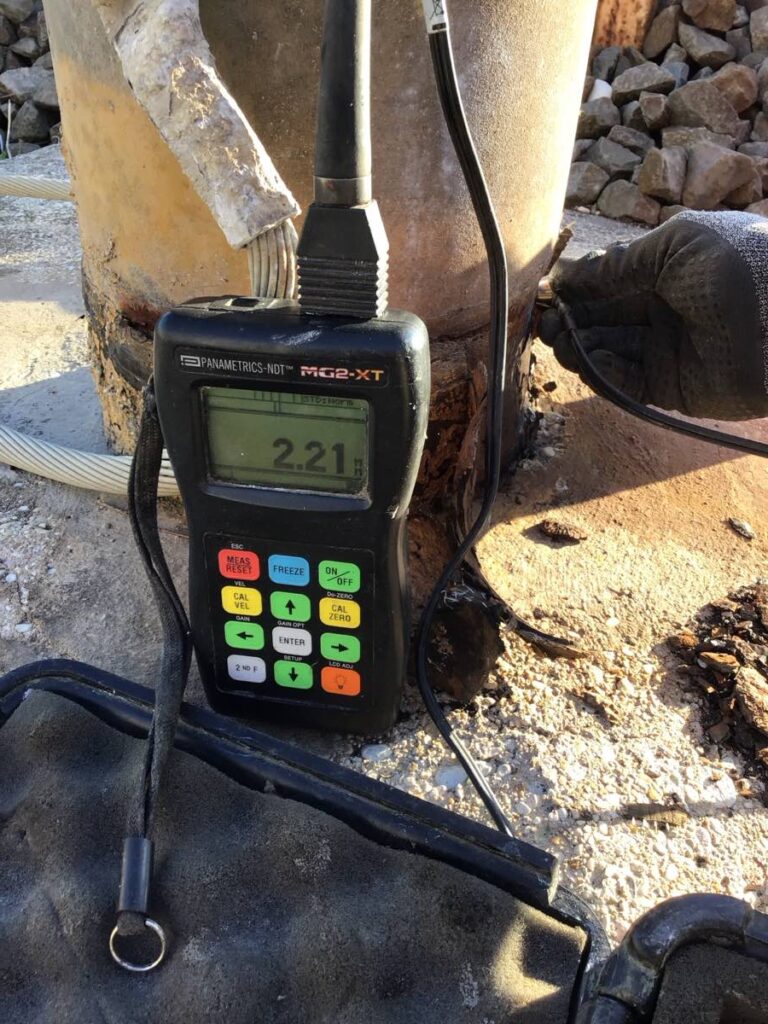
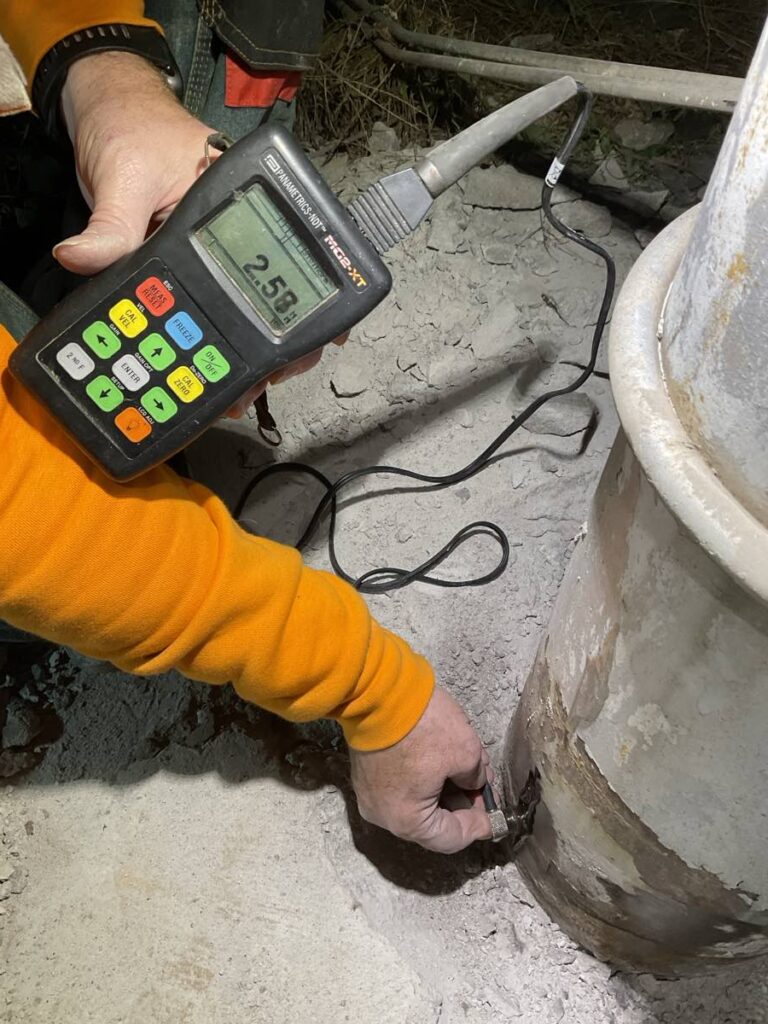
Ultrasonic thickness testing is undoubtedly the most important and most commonly used method for detecting residual thickness, as well as providing the most reliable and immediate results. It is essential especially in the embedment area, the one most subject to corrosion. To make the inspection more rigorous in critical areas, Centrotest Srl removes small portions of the collar and sheath on which the probe is placed; afterwards, the uncovered areas are restored with cement or anti-corrosion material, making the method completely non-invasive.


THICKNESS TESTING AT HEIGHT ON POLES
Thickness method applied to the elevated part of the support structure
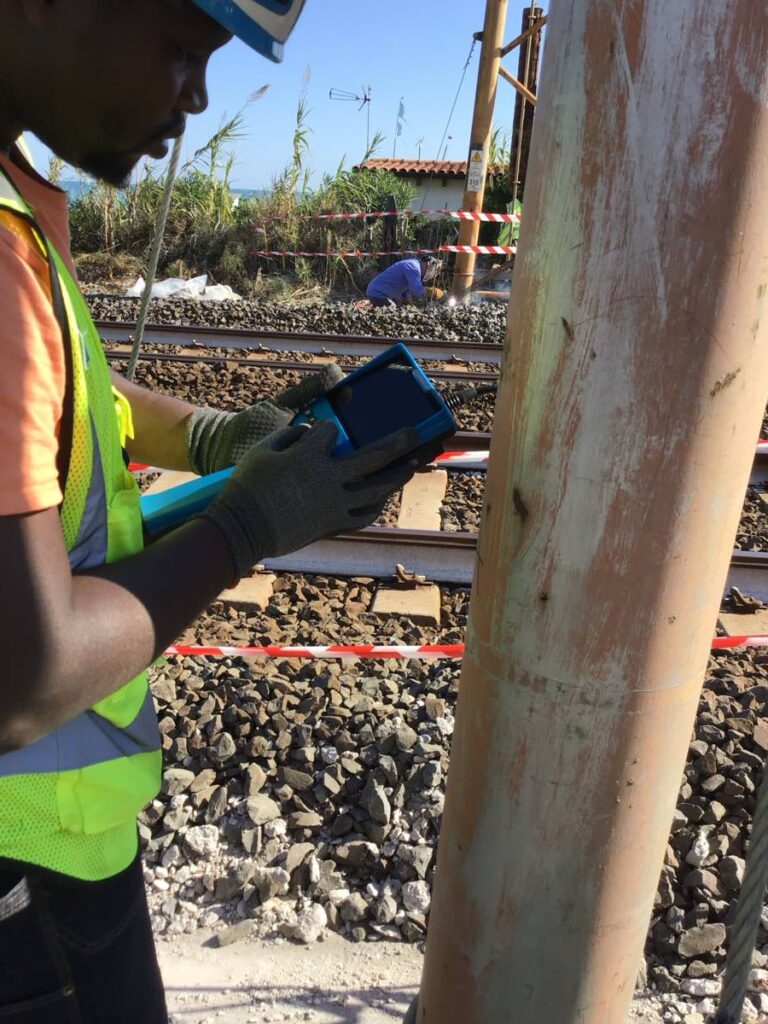
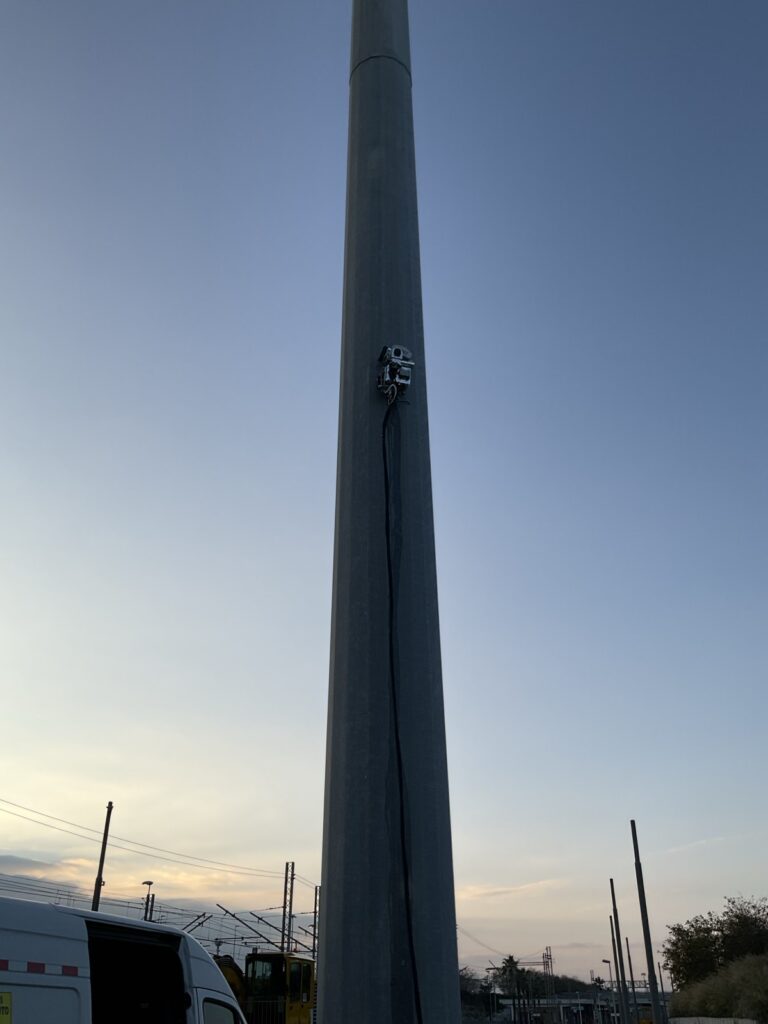
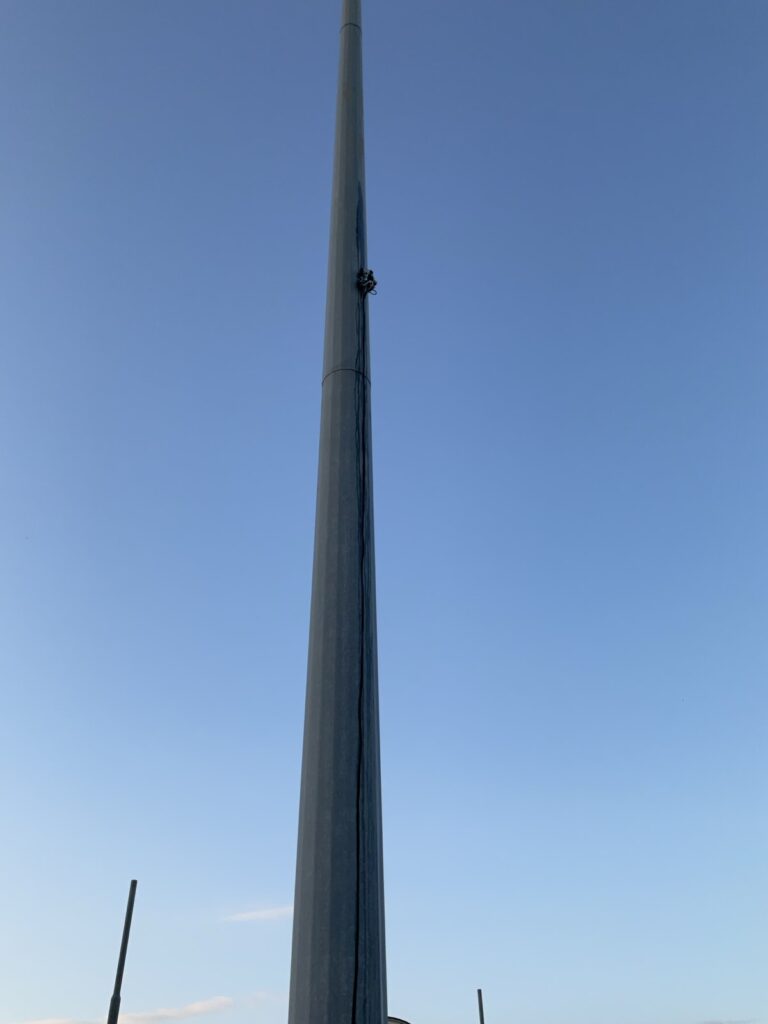
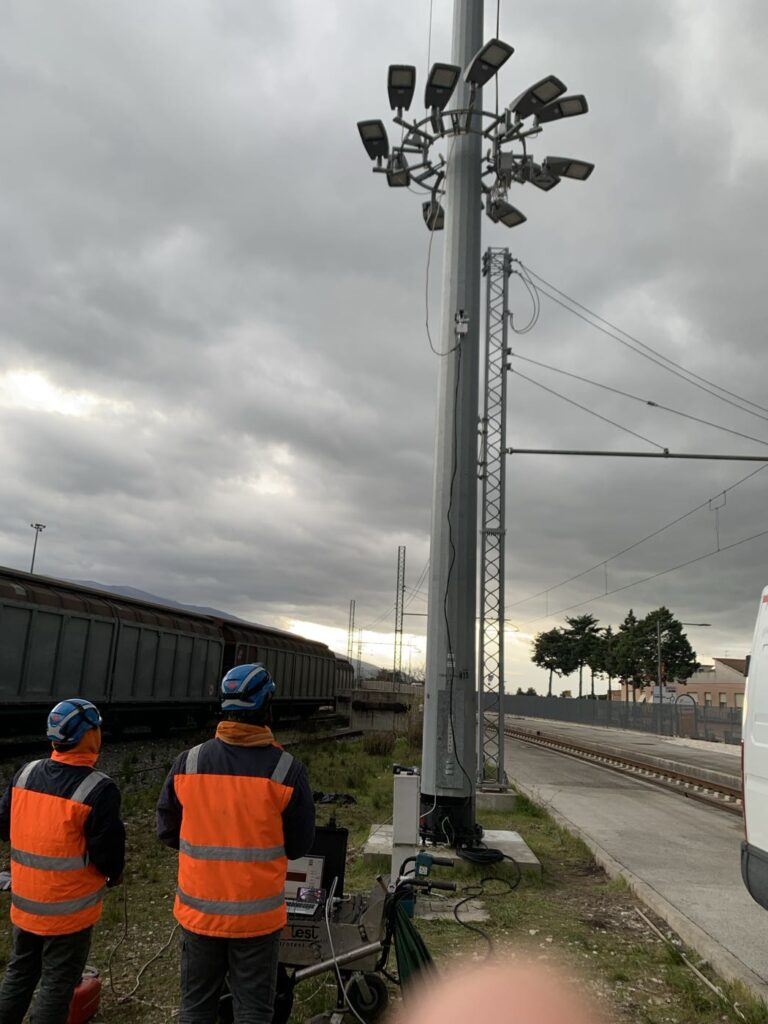
At the customer’s request, inspections at height can be carried out to check the thickness of the aerial part without the aid of aerial platforms. This inspection is particularly suitable for light towers and especially in the railway sector, for checking, for example, both lattice and conical portals. Centrotest Srl carries out this inspection using a remote robotic system, with considerable advantages in terms of reliability and operator safety.


TESTING ON POLE FOUNDATIONS
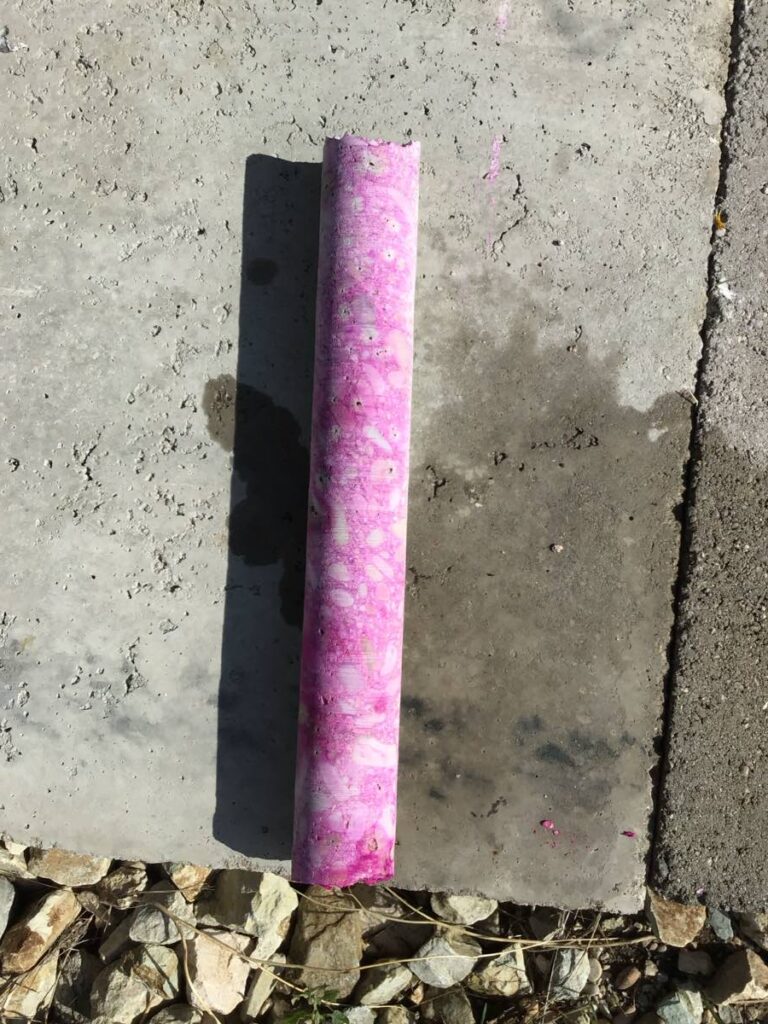
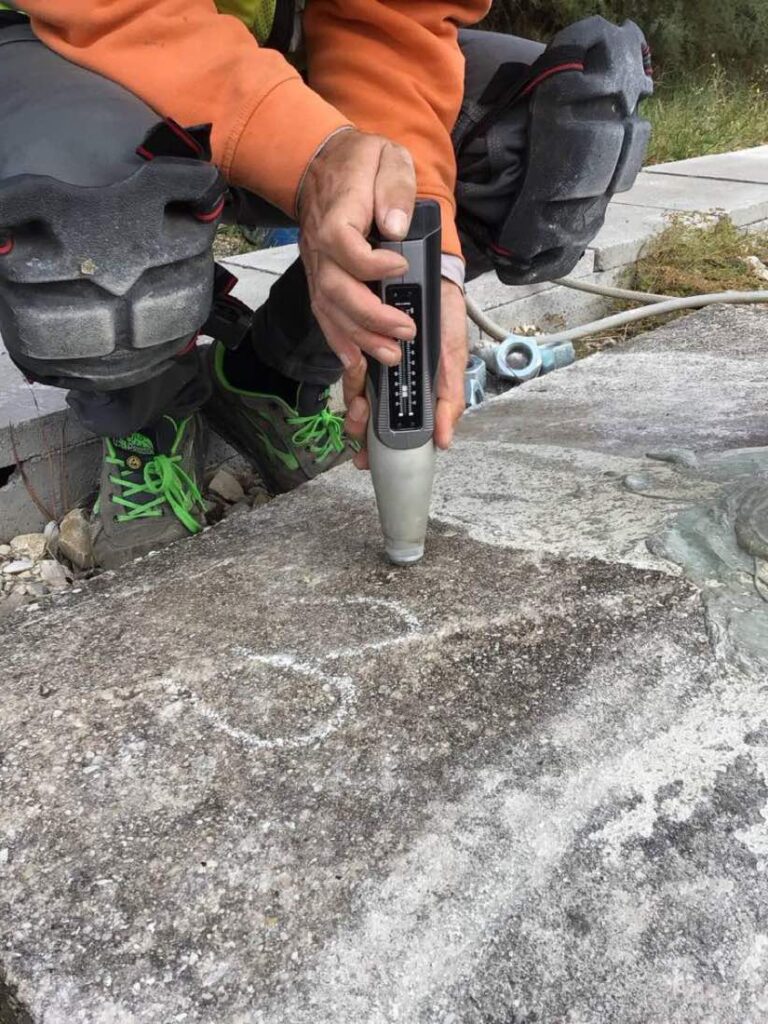
Especially in the railway sector, inspections of the support structures’ foundations are sometimes also required. Our company carries out sclerometric, sonic and carbonation tests on these concrete structures as well. It is also possible to take cores, which are sent to an accredited laboratory for crushing tests.


OPERATORS
Our company works with specialized technicians with Level II and III ISO 9712 for the ultrasonic, visual and magnetic particle methods.
FIELD OF APPLICATION
The field of application of corrosion testing on support structures is very varied. Below are some types of support structures we have inspected:
CERTIFICATION
The following final certification is issued:
EQUIPMENT USED
ISO 9001:2008
ISO 14001:2004
OHSAS 18001:2007
REGISTERED AND OPERATIONAL OFFICE: Via Gabelletta 197/B Terni (TR)
NARNI BRANCH: Strada di Maratta Bassa, 48 05035 Narni (TR)
BRANCH FOR NORTHERN ITALY: Via Molise 4, 20098 San Giuliano Milanese (MI)